What if Your Friends Could Help You Sleep Better—Without Any New Gadgets?
We’ve all been there—tossing and turning at 2 a.m., scrolling through our phones, wondering why rest feels so out of reach. You’re not alone. Millions struggle with sleep, but what if the solution isn’t another app or wearable? What if it’s already in your pocket—your group chat with friends? Imagine them quietly helping you create a calmer routine, not with advice, but through shared choices. This isn’t science fiction. It’s happening now, through something simple: community group buying.
The Sleep Struggle Is Real (And It’s Not Just You)
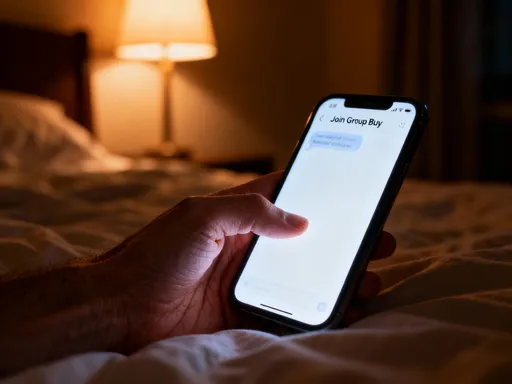
Picture this: it’s 1:47 a.m., and you’re lying in bed, wide awake. Your mind races with tomorrow’s to-do list, that email you should’ve sent, the laundry still in the dryer. You grab your phone—just to check the time—and suddenly, an hour has passed. The glow of the screen feels like a guilty comfort, but by morning, you’re dragging. Coffee helps, but not enough. Sound familiar? You’re not lazy. You’re not broken. You’re just living in a world that doesn’t make rest easy.
Our days are packed. We juggle work, family, chores, and the endless ping of notifications. Even when we want to slow down, the rhythm of modern life pulls us forward. And when we finally crash into bed, our brains are still in overdrive. The irony? The very tools meant to simplify life—smartphones, smart homes, productivity apps—often keep us more connected than ever, making true disconnection feel impossible.
So we look for solutions. We download sleep trackers. We try white noise machines. We read articles about circadian rhythms and blue light. But here’s the truth: most of us don’t need more information. We need support. We need habits that stick. And we need them to feel doable, not draining. That’s where the real challenge lies—not in knowing what to do, but in actually doing it, night after night.
What if, instead of going it alone, we tapped into something we already have? What if the people who influence our food choices, our weekend plans, and even our shopping habits could gently guide us toward better sleep? Not through nagging or lectures, but through shared actions? That’s exactly what’s happening in quiet corners of digital life—through community group buying.
How Group Buying Became More Than Just Savings
Remember when group buying was just about splitting the cost of bulk toilet paper or getting a discount on a yoga mat? It started as a smart way to save money—friends pooling resources to buy essentials at lower prices. But over time, something deeper took root. These platforms, often built on familiar messaging apps, began shaping more than just spending habits. They started shaping lifestyles.
Imagine this: your friend Sarah shares a link in your group chat. It’s for a bundle of organic cotton sheets—soft, breathable, and yes, they’re on sale if three or more people order. You didn’t even know you needed new sheets, but Sarah says they feel like sleeping on a cloud. Another friend, Jen, jumps in. So do two others. Suddenly, you’re all switching out your old bedding for something that feels more luxurious and, honestly, more inviting at bedtime.
This isn’t advertising. This isn’t influencer marketing. This is real-life trust in action. When someone you know and care about shares something that improved their sleep, it lands differently. It’s not a sales pitch—it’s a quiet invitation: “Hey, this worked for me. Want to try it too?” And because it’s low-pressure and cost-effective, saying yes feels easy.
What’s powerful here is the shift from individual effort to collective momentum. Instead of researching brands, comparing reviews, and worrying about shipping costs, you’re part of a group that’s already done the legwork. You’re not making a big decision—you’re joining a movement your friends started. And that makes all the difference.
The Ripple Effect of a Single Recommendation
It starts small. One friend buys a lavender-infused pillow. Not because she’s desperate, but because she saw it in a group buy and thought, “Why not?” A week later, she posts a quick voice note: “I’m not kidding—this thing actually helps me fall asleep faster.” Another friend, Maria, hears it and asks where she got it. “Want in on the next order?” Sarah replies. Two more friends say yes. Before you know it, half the group is using the same pillow.
This isn’t about trends or hype. It’s about low-friction change. In the past, trying a new sleep product meant commitment—searching online, reading reviews, entering payment details, waiting for delivery. Now, it’s as simple as tapping “yes” in a chat. No pressure. No research. No shipping fees. Just a shared experience unfolding naturally.
And the ripple keeps going. Someone else tries magnesium gummies after seeing Lisa post about her better sleep. Another friend picks up blackout curtains because they were part of a bundle with the tea she wanted. Each small choice builds on the last, creating a quiet but powerful shift in the group’s habits. Over time, these aren’t just purchases—they’re rituals. They’re signals that rest matters.
What’s fascinating is how these choices begin to shape behavior beyond the product itself. When you buy sleep-friendly items with friends, you’re more likely to use them consistently. Why? Because there’s a subtle sense of accountability. You might text the group, “Using the lavender spray tonight—fingers crossed!” or “Just hung up the blackout curtains. Room feels like a cave. In a good way.” These little updates create a shared rhythm, a sense that you’re all winding down together, even if you’re miles apart.
Why Friend-Led Choices Feel Safer and More Effective
Let’s be honest—most of us are tired of ads. We scroll past pop-ups, ignore sponsored posts, and roll our eyes at “miracle” sleep solutions. But when a friend says, “This tea actually helped me,” it cuts through the noise. Why? Because trust isn’t built on algorithms. It’s built on history, on shared moments, on knowing someone’s been through what you’re going through.
When your friend shares a product that improved her sleep, she’s not selling anything. She’s offering a piece of her life. And that makes all the difference. It’s not about perfection—it’s about realness. She might say, “I still wake up sometimes, but I fall back asleep faster.” That honesty makes the recommendation feel safe, achievable, human.
Group buying platforms amplify this trust. They turn personal wins into collective opportunities. Instead of one person benefiting, everyone in the circle gets access. And because the timing often aligns with evening hours—when people are winding down and checking messages—these purchases become part of the bedtime routine itself. You’re not just buying something to help you sleep. You’re participating in a ritual that signals it’s time to slow down.
There’s also something deeply comforting about doing things together. Even if you’re not in the same room, joining a group buy feels like a small act of connection. You’re saying, “I care about my rest, and I’m glad we’re doing this together.” That sense of belonging reduces the isolation that often makes sleep harder. And let’s face it—sleep isn’t just about biology. It’s emotional. It’s psychological. It’s about feeling safe enough to let go.
Building a Sleep-Positive Circle, One Group Buy at a Time
Over time, something beautiful happens. These shared purchases begin to shape a culture—a quiet, supportive ecosystem centered on well-being. It’s not loud or pushy. No one’s posting daily sleep logs or shaming late-night screen use. Instead, small habits emerge naturally. Someone shares, “I’ve started drinking chamomile tea at 9 p.m.—it helps me remember to put the phone away.” Another says, “I leave my charger in the kitchen now. Feels like a win.”
The group becomes a gentle support system. Not through direct advice, but through modeling. You see your friends making small changes, and without even trying, you start to mirror them. You buy the same tea. You try the earplugs. You dim the lights earlier. These aren’t grand gestures—they’re tiny shifts that add up.
And the conversation evolves. It’s not just about products anymore. It’s about patterns. “I noticed I sleep better when I don’t watch thrillers before bed,” someone says. “Same,” replies another. “I’ve been listening to that nature sounds playlist instead.” These exchanges aren’t formal. They’re casual, woven into the flow of daily chat. But they matter. They create a shared language around rest, one that’s kind, practical, and free of judgment.
What’s powerful is the absence of pressure. No one’s tracking your progress. No one’s expecting perfection. You can be tired, messy, and still part of the circle. That’s what makes it sustainable. It’s not about fixing yourself. It’s about growing, together, in small, meaningful ways.
How to Start Your Own Sleep-Focused Group (And Keep It Simple)
You don’t need a big plan or a fancy app. In fact, the best groups start small—just two or three friends who care about each other and want to feel better rested. Think about who you already chat with regularly. Who do you trust? Who’s mentioned sleep struggles before? That’s your starting circle.
Pick one sleep-supportive item to begin with. Maybe it’s blackout curtains, because someone’s been complaining about early morning light. Or magnesium supplements, because a friend read they help with relaxation. Or noise-canceling earbuds, for those who live in busy neighborhoods. The key is to choose something simple, useful, and easy to share.
Next, find a group buying platform you’re all comfortable with. Many use tools built into messaging apps—like WeCom or local co-op platforms—where you can create a group order, set a deadline, and split payments automatically. Share the link in your chat with a light message: “Thinking of ordering these blackout curtains—want in? They’re 30% off if three of us buy.” Keep it casual. No pressure. Just an open door.
After the order, check in. Not to nag, but to connect. “How are the curtains working for you?” or “I started taking the magnesium—felt more relaxed last night.” These small touches keep the momentum going. Over time, you’ll naturally start suggesting new items, sharing tips, and building a rhythm that feels good.
Remember: the goal isn’t to create a perfect sleep routine. It’s to create connection. It’s to make small changes feel easier because you’re not doing them alone. And that, in itself, can transform your nights.
Beyond Sleep: The Unexpected Benefits of Shared Well-Being
Here’s what no one really talks about: when you start making well-being a shared practice, something deeper unfolds. Friends begin to notice each other more. When someone doesn’t reply to the group chat for a few days, others check in: “You okay? Haven’t seen you in the buy list.” It’s not surveillance—it’s care. A quiet way of saying, “I see you. I miss you. I’m here.”
These moments matter. In a world where so many of us feel isolated—even when we’re constantly connected—these small acts rebuild a sense of belonging. We weren’t meant to do life alone. We thrive in community. And when that community supports rest, kindness, and small joys, it becomes a sanctuary.
People start celebrating tiny wins. “First full night of sleep in weeks!” someone texts. The group erupts in emojis and encouragement. Another shares, “I didn’t panic when I woke up at 3 a.m.—just breathed and rolled over.” These aren’t grand achievements. But they’re real. And they’re honored.
Over time, the group becomes more than a shopping circle. It becomes a space where vulnerability is safe, where progress is celebrated, and where care flows naturally. What began as a way to save money on bedding turns into a lifeline of emotional support. And that, too, helps us sleep.
Because here’s the truth: better sleep isn’t just about the right pillow or the perfect tea. It’s about feeling held. It’s about knowing you’re not alone in the dark. And when your friends are right there with you—quietly choosing rest, one group buy at a time—you realize something powerful: the best technology isn’t in your phone. It’s in your relationships.