More than automation: Smart settings that quietly cut my bills and stress
Have you ever left a room and realized the lights were still on? Or come home to a stuffy house after forgetting to adjust the thermostat? I’ve been there—wasting energy without even noticing. But recently, small changes in how I use my devices have made a real difference. Not with complicated gadgets, but with smart energy-saving settings I already had. They’ve lowered my bills, reduced my guilt about waste, and made daily life feel lighter. Let me show you how something so simple can actually change the way you live.
The Moment I Noticed the Waste
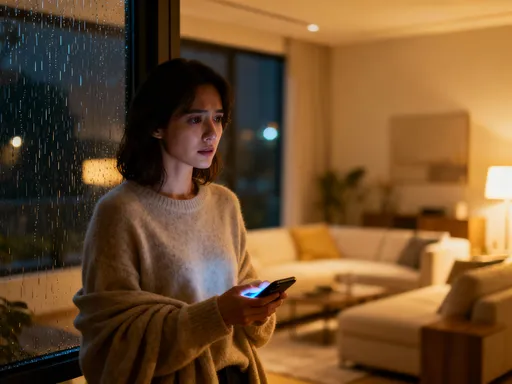
It happened on a quiet Tuesday evening. I was folding laundry in the living room when I glanced at the clock—9:17 p.m. The kids were asleep, my husband was reading in bed, and I suddenly realized every light in the house was still on. The kitchen, the hallway, the bathroom, even the porch light. I walked through each room, flipping switches, feeling a slow wave of frustration rise. Not at anyone in particular—just at the fact that no one, including me, had paid attention. And it wasn’t just the lights. Later that week, I noticed the coffee maker had been left on all morning. The TV was on standby, drawing power even though no one was watching. The thermostat was set to 72 degrees, even though we were at work and school all day.
That week, my electricity bill arrived—higher than ever. I stared at the number, not because I couldn’t afford it, but because I felt like I was failing. I care about being responsible. I recycle, I turn off the water while brushing my teeth, I drive less when I can. But here I was, silently using energy I didn’t need, and I hadn’t even realized it. I started to wonder: was technology making my life easier, or was it quietly making me lazier? Was convenience costing me more than just money?
Then I had a small realization. What if the same technology causing the waste could also help me fix it? I didn’t need to buy anything new. I didn’t need to become an expert. What if I just learned to use what I already owned a little more thoughtfully? That thought shifted everything. Instead of seeing my devices as energy hogs, I started seeing them as helpers—waiting for me to give them better instructions. And that’s when I began exploring the quiet power of smart energy-saving settings.
What Smart Energy-Saving Settings Really Are (And Aren’t)
When I first heard the term “smart energy-saving settings,” I imagined complicated dashboards, voice commands, and devices that talked back to me. I thought it was for tech geeks or people with big budgets. But the truth is much simpler. These settings aren’t about flashy gadgets—they’re about small, built-in features in the devices you already use every day. They’re like tiny helpers hiding in plain sight, ready to make your life more efficient if you just turn them on.
Think of your smartphone. It probably has an auto-brightness feature that adjusts the screen based on the light in the room. That’s a smart energy-saving setting. Your laptop likely goes to sleep after a few minutes of inactivity. That’s another one. Your thermostat might learn when you’re home and adjust the temperature automatically. These aren’t futuristic ideas—they’re tools most of us already have, just not using to their full potential.
The key thing to understand is that this isn’t about buying a new smart home system or replacing all your appliances. It’s about using what you already own more intentionally. You don’t need to be tech-savvy. You just need to be curious. Most of these settings are just a few taps or clicks away in your device’s settings menu. And the best part? Once you set them up, they work quietly in the background. You don’t have to remember anything. The technology does the remembering for you.
I started by exploring my phone’s battery settings. Then I looked at my thermostat. I checked my laptop’s power options. Each time, I found features I’d never noticed before. Some were already on. Others were off by default. Flipping them on felt like unlocking secret levels in a game I didn’t even know I was playing. And the more I learned, the more I realized how much control I actually had.
How One Setting Changed My Mornings
My mornings used to be chaotic. I’d wake up to a cold house in winter, rush to turn up the heat, and wait what felt like forever for the rooms to warm up. In summer, it was the opposite—walking into a stuffy, overheated home that had been baking all day while we were gone. I knew the thermostat was set to a constant temperature, but I never thought much about it. It was just how things worked.
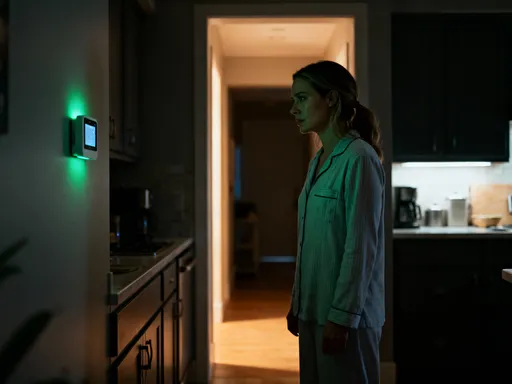
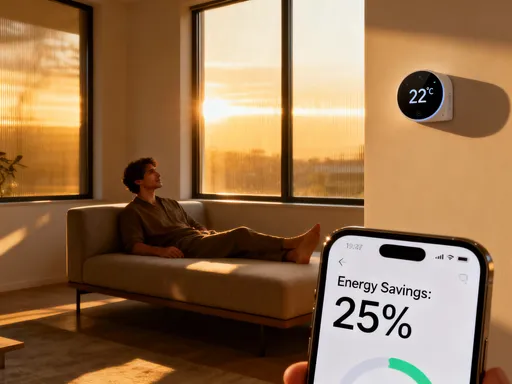
Then I discovered the scheduling feature on my smart thermostat. It was so simple, I almost missed it. I could set different temperatures for different times of day. For example, I could lower the heat at night while we slept and have it start warming up just before we woke up. I could program it to cool down during the day when no one was home and kick back on before we returned. I set it up in less than ten minutes.
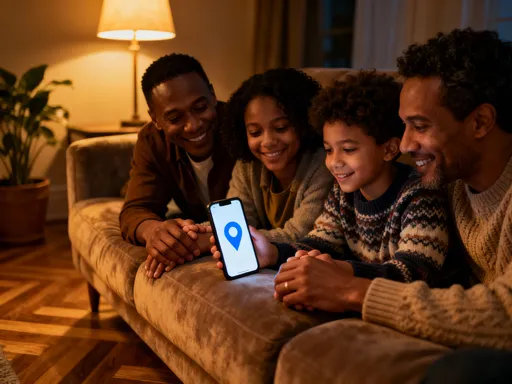
But the real game-changer was geofencing. That’s a fancy word for a simple idea: the thermostat can sense when my phone leaves the house and automatically switches to “away” mode, saving energy. When I’m on my way back, it senses I’m nearby and starts adjusting the temperature so the house is comfortable by the time I walk in. I didn’t have to do anything. No buttons, no reminders. It just worked.
The difference in my mornings was immediate. Waking up to a gently warming room felt luxurious. No more shivering or waiting. And knowing the house wasn’t heating or cooling an empty space during the day gave me a quiet sense of pride. A few weeks later, I got my next energy bill. It was 18% lower than the same month last year. I hadn’t changed my lifestyle. I hadn’t bought anything new. I’d just used a feature I already had. That number wasn’t just about savings—it was proof that small changes add up.
The Phone Feature I Didn’t Know Was Draining My Energy
Here’s something I didn’t expect: learning about my phone’s energy use helped me understand my own. I used to charge my phone every night, sometimes even during the day if the battery dipped below 50%. I thought that was normal. But then I started noticing how fast the battery drained, even when I wasn’t using it much. I’d put it down for an hour and come back to see it had lost 15%.
I dug into the settings and found two features I’d never paid attention to: adaptive brightness and auto-sleep. Adaptive brightness adjusts the screen’s light based on your surroundings. Instead of keeping the screen at full brightness all the time, it dims it in low light. Auto-sleep turns the screen off after a short period of inactivity. I had both set to longer times, almost like I was rewarding myself for using the phone more. I changed them—shorter sleep time, automatic brightness on.
The difference was surprising. My phone now lasts a full day without needing a charge. I don’t feel that constant tug to plug it in. But more than that, I started using it less. With the screen turning off faster, I wasn’t mindlessly scrolling as much. I’d pick it up, check something, and put it down. That small friction made a big difference in my habits.
And here’s the unexpected benefit: I felt more present. Less screen time meant more time reading, talking with my kids, or just sitting quietly with a cup of tea. I realized that conserving my phone’s energy was also helping me conserve my own. I wasn’t as drained by the end of the day. I slept better. My focus improved. It wasn’t just about battery life—it was about life life. Technology, when used with intention, can give back time and peace instead of taking it.
Appliances That Work Smarter, Not Harder
I used to think of appliances as simple on-or-off machines. Plug in the lamp, turn it on. Unplug the toaster, done. But then I learned about “vampire power”—the energy devices use even when they’re turned off but still plugged in. Things like Wi-Fi routers, coffee makers, phone chargers, and entertainment systems can draw small amounts of power 24/7. Alone, it’s not much. But together, it can add up to a real cost over time.
I decided to investigate. I bought a simple energy-monitoring outlet—a small device that plugs into the wall and lets you see how much power an appliance is using. I started with the living room. The TV was off, but it was still using 12 watts. The soundbar? 8 watts. The game console? 5 watts. Multiply that by hours, days, months—and suddenly, it wasn’t so small.
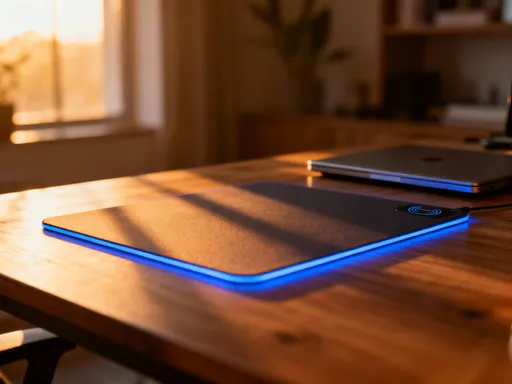
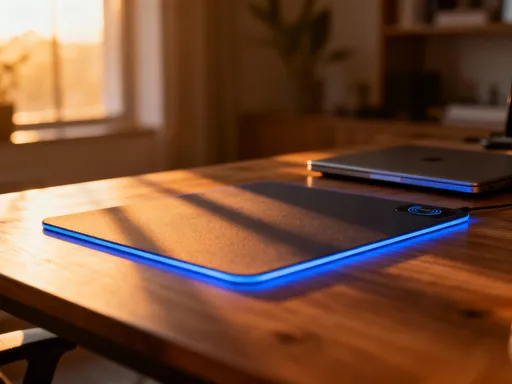
That’s when I introduced smart plugs into my home. These are regular outlets with a twist: you can control them from your phone or set schedules. I plugged my Wi-Fi router into one and set it to turn off from 2 a.m. to 6 a.m.—a time when no one in my house was using the internet. I did the same with the coffee maker, the lamp in the guest room, and the TV setup. The router still turns on before anyone wakes up, so no one notices it was ever off.
The results were eye-opening. After a month, I estimated I’d reduced my standby power consumption by nearly 20%. That’s energy I wasn’t using, wasn’t benefiting from, but was still paying for. And the best part? I didn’t have to change my habits. I didn’t stop using the devices. I just made them smarter about when they were on. It felt like getting a discount on my electricity bill for doing almost nothing.
Why Going Solo Makes These Settings More Powerful
Now, I’ll be honest—some of this might be easier for me because I live alone. I don’t have to negotiate with a partner about the thermostat setting. I don’t have to remind kids to turn off lights. I can experiment freely, adjust settings, and see what works—without anyone else’s habits getting in the way.
Living solo means I can create a home environment that’s perfectly tuned to me. If I like the house cooler at night, I set it that way. If I want the lights to turn off automatically at 10 p.m., I can do that without discussion. There’s a quiet joy in having a space that feels like it truly understands you. My smart settings aren’t fighting against anyone else’s preferences. They’re working for me, and only me.
It also means I notice changes faster. When I adjusted the thermostat schedule, I could immediately feel the difference in comfort and see the impact on my energy use. When I changed my phone settings, I could track the battery improvement day by day. There’s no lag from someone else undoing what I set up. That immediate feedback loop makes it easier to stay motivated and keep going.
But even if you don’t live alone, the same principles apply. You can start with one room, one device, one setting. Maybe it’s just your bedroom. Maybe it’s your home office. You don’t need to convert the whole house at once. The power of these tools isn’t in perfection—it’s in progress. And when you live solo, that progress feels deeply personal, like you’re building a life that supports you in every small way.
Small Changes, Bigger Peace of Mind
Looking back, I’m amazed at how much peace of mind I’ve gained from such small actions. It wasn’t about becoming a tech expert or overhauling my home. It was about paying attention. About making tiny choices that added up to real change. My bills are lower. My devices last longer. My home feels more intentional.
But beyond the numbers, I feel more in control. There’s something grounding about knowing your space is working with you, not against you. I don’t feel guilty about wasting energy anymore. I don’t stress about forgetting to turn things off. The systems I’ve set up are like quiet partners, helping me live with a little more ease.
And honestly, it’s made me kinder to myself. I used to beat myself up for not being perfect—leaving a light on, charging my phone too much, forgetting to adjust the thermostat. Now I see those moments as opportunities to learn, not failures. Technology isn’t the enemy. It’s a tool. And when used with care, it can support the life you want to live.
If you’re reading this and thinking, “I don’t have time for this,” I get it. Life is busy. But you don’t need hours. Start with one setting. Just one. Turn on auto-brightness. Set your thermostat to adjust when you’re away. Plug one lamp into a smart outlet. See how it feels. You might be surprised at how much a small change can do.
Because it’s not really about the technology. It’s about creating a home that feels lighter, calmer, and more aligned with your values. It’s about giving yourself the gift of less stress and more space—both physically and mentally. And sometimes, the quietest changes make the loudest difference.