What If Your Desk Could Gently Nudge You Back to Life?
We’ve all been there—lost in work, staring at screens for hours, only to realize we haven’t moved, breathed deeply, or even blinked enough. Your body feels stiff, your mind foggy. What if the very space where you spend most of your day could quietly help you reclaim balance? Not with loud alarms or guilt trips, but with gentle, smart reminders that respect your rhythm? Let’s talk about how small tech can bring big calm into your personal space. This isn’t about turning your home office into a lab—it’s about making it a place that truly supports you, one small nudge at a time.
The Invisible Trap of Sitting Still
Imagine this: it’s 2:47 in the afternoon. You’ve been at your desk since morning, maybe with a quick coffee refill around 10, but otherwise glued to your screen. Your neck aches a little. Your shoulders feel tight, like they’ve crept up toward your ears without you noticing. You didn’t mean to sit this long, but one task led to another, and before you knew it, your to-do list swallowed the day. Sound familiar? You’re not alone—and it’s not your fault.
Most of us weren’t taught how to manage our energy during the workday, only our time. We’re told to stay focused, meet deadlines, and be responsive. But no one reminds us to stand, stretch, or simply look away from the screen for a few minutes. The truth is, our environments are quietly working against us. Chairs are designed for comfort, not movement. Desks are set at eye level for screens, not for posture. And our digital tools reward us for staying online, not for stepping away.
Over time, this stillness takes a toll—not just on our bodies, but on our minds. You might notice it as a low-level headache, a restless feeling in your legs, or a kind of mental haze that makes it hard to think clearly. Maybe you find yourself more irritable with your family by evening, or too drained to enjoy the things you usually love. These aren’t just random moments of fatigue—they’re signs that your body is asking for a break, even if your brain hasn’t caught up yet.
And here’s the thing: this isn’t about laziness or poor discipline. It’s about design. When your surroundings don’t support movement, it’s incredibly hard to move. Think about it—when was the last time you got up just because you felt like it? More likely, you only stand when you have to: to grab water, answer the door, or use the bathroom. Everything else requires intention, and intention is hard when you’re already tired. The trap isn’t that we don’t care about our health—it’s that we’ve built spaces that make caring feel like extra work.
When Awareness Isn’t Enough
Let’s be honest—most of us already know we should move more. We’ve read the articles. We’ve seen the infographics about sitting being the new smoking. We’ve even tried the sticky notes: “Stand up every hour!” “Drink more water!” “Stretch!” But how long did those last? A day? A week? Maybe two, if you were really motivated. Then life got busy, the note got ignored, and things went back to normal.
That doesn’t mean you failed. It means the system was set up to fail. Willpower is a limited resource, especially when you’re juggling work, family, and all the little things that keep a household running. You can’t rely on motivation to save you when you’re in the middle of a project, answering emails, or helping your child with homework. By the time you remember to move, it’s already been three hours.
I remember trying to set phone alarms once—“Move!” at the top of every hour. At first, it felt helpful. But soon, those beeps started to feel like nagging. I’d silence them without even thinking. Or worse, I’d feel guilty for ignoring them, which made me less likely to try again. It wasn’t the reminder that was the problem—it was the delivery. A loud alarm doesn’t feel like support. It feels like a scolding.
And that’s the core issue: we need help that feels kind, not critical. We need tools that understand our rhythms, not fight against them. Because the goal isn’t to make us feel bad for sitting too long. The goal is to help us remember—gently, kindly—that we matter. That our bodies matter. That a little movement isn’t a distraction from our lives; it’s part of living well.
So what if, instead of relying on willpower or guilt, we designed our spaces to support us? What if the things we use every day—the desk, the chair, the devices in our pockets—could quietly remind us to care for ourselves? Not with shame, but with care. That’s where technology, when used thoughtfully, can make all the difference.
Enter the Quiet Helper: Sedentary Reminder Tools
Picture this: you’re deep in a spreadsheet, eyes scanning rows of numbers, when you feel a soft pulse under your wrist. Not a beep, not a buzz that startles you—just a gentle nudge, like someone lightly touching your arm. You look down, smile, and stand up to stretch. That’s a wearable sedentary reminder at work. It’s not flashy. It doesn’t demand your attention. It just… helps.
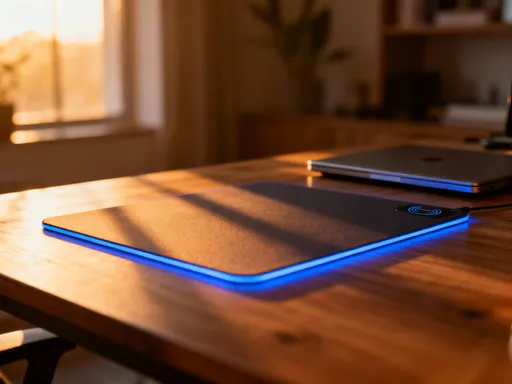
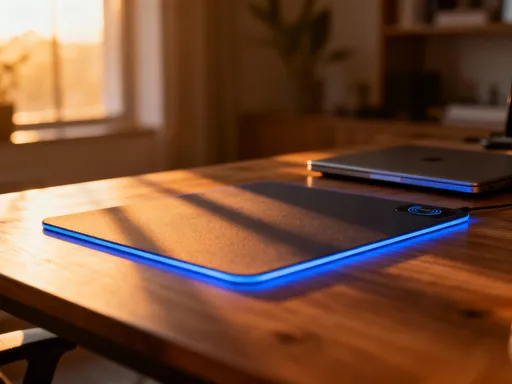
These tools aren’t about turning you into a robot or forcing you into a rigid routine. They’re about creating small moments of awareness—tiny pauses that add up over time. Some work through smart watches that track inactivity and send a silent vibration after 50 minutes of sitting. Others come in the form of desk mats that sense your posture and glow softly when it’s time to shift. There are even apps that sync with your calendar, reminding you to stand after a meeting or take a breathing break between tasks.
What makes them different from old-school alarms is the way they fit into your life. They’re designed to be unobtrusive, almost like a quiet friend who knows when you need a little encouragement. No flashing lights. No loud tones. Just a signal that says, “Hey, I see you. You’ve been still for a while. How about a quick stretch?”
And the best part? You get to decide how it feels. Some people like a gentle pulse. Others prefer a soft chime or a color-changing light on their desk. You can set the timing, choose the cue, and even pick a reminder phrase that feels kind—like “Time to breathe” or “You’ve got this—just take a pause.” It’s not about following rules. It’s about building a relationship with a tool that supports you in the way you need.
One mom I spoke with told me she uses a smart ring that vibrates when she’s been sitting too long. “It’s like my body has a little guardian angel,” she said. “I don’t always stand right away, but it makes me aware. And most days, I do move—because now, it feels like self-care, not a chore.” That’s the shift we’re after: from obligation to care, from guilt to grace.
Designing a Space That Cares
Your workspace doesn’t have to be perfect to be supportive. In fact, the most effective changes are often the smallest ones. It’s not about buying a standing desk or a $500 ergonomic chair—though those can help. It’s about designing your space so that healthy choices feel natural, even enjoyable.
Think about the things you already love: a favorite mug, a photo of your kids, a plant that blooms in the spring. What if you used those to support your well-being? For example, place a small plant at the far edge of your desk. Every time your reminder goes off, walk over to water it or just touch a leaf. Suddenly, standing isn’t just a task—it’s a moment of connection. Or keep a stretch band on your chair. When you feel the nudge, loop it around your feet and do a quick seated stretch. It takes 60 seconds, and it feels good.
You can also pair your tech with simple rituals. Maybe your smartwatch buzzes, and that’s your cue to take three deep breaths before continuing. Or your desk light changes color, and that’s your signal to look out the window and find one thing in nature—a bird, a cloud, a tree. These aren’t just physical breaks. They’re mental resets. They give your brain a chance to rest, your eyes a break from the screen, and your heart a moment of calm.
One woman I know placed a small fountain near her desk. When her reminder goes off, she walks over, listens to the water for 30 seconds, and takes a few slow breaths. “It’s my mini meditation,” she says. “I don’t have time for an hour of yoga, but I can do this. And it changes my whole afternoon.”
The key is intentionality. When you design your space with care, it starts to care for you. The tools aren’t replacing your judgment—they’re enhancing it. They’re helping you remember what you already know: that movement matters, that breath matters, that you matter. And over time, those small moments build a new habit: not just moving more, but living more fully.
Making It Stick: Habits That Feel Natural
Here’s the truth: no tool works if it doesn’t fit your life. A reminder that annoys you will get ignored. One that feels too demanding will be turned off. That’s why the secret isn’t just having the tech—it’s making it yours.
Start small. Pick one cue—a vibration, a soft sound, a light—and set it for every 50 to 60 minutes. When it goes off, don’t feel pressured to do a full workout. Just stand. Stretch your arms. Take three slow breaths. Look out the window. These micro-moments are enough to reset your body and mind.
Then, connect it to something you already do. For example, after you send an important email, that’s your cue to stand and roll your shoulders. Or when your calendar shows a break between meetings, use that time to walk around the house or step outside for fresh air. The goal isn’t perfection—it’s consistency. It’s about creating a rhythm that feels sustainable, not stressful.
Let me walk you through a sample day. Sarah, a freelance writer and mom of two, starts her morning with a cup of tea at her desk. Her smartwatch is set to gently vibrate after 50 minutes of inactivity. At 9:50 a.m., she feels the pulse. She stands, reaches her arms overhead, and takes three deep breaths. Then she walks to the kitchen to refill her water bottle—passing her daughter’s drawing on the fridge, which makes her smile. At 11:40, another nudge. This time, she does a quick neck roll and looks out the window. She spots a squirrel darting across the yard and laughs. By noon, she’s moved several times—without breaking her focus, without feeling guilty.
Over time, these pauses become part of her day, not interruptions. She starts to look forward to them. They’re not chores—they’re little gifts to herself. And the more she does it, the more natural it feels. She’s not forcing herself to be healthier. She’s simply allowing her space to support her in small, meaningful ways.
And that’s the beauty of it: when the right tool meets the right intention, change doesn’t feel hard. It feels like coming home to yourself.
More Than Movement: Calmer Mind, Clearer Focus
Here’s something surprising: the benefits of these small pauses go far beyond physical comfort. Yes, your back feels better. Yes, your shoulders loosen up. But something deeper starts to shift—your mood, your focus, your sense of presence.
When you pause regularly, even for 30 seconds, you give your nervous system a chance to reset. You step out of fight-or-flight mode and into a calmer state. That means less mental clutter, fewer reactive moments, and more space to think clearly. You might notice you’re not as quick to snap at your kids after school. Or that you actually listen when your partner talks, instead of planning your next task in your head.
One user shared that after using a sedentary reminder for six weeks, she started sleeping better. “I didn’t expect that,” she said. “But I think it’s because I’m not carrying so much tension into the evening. I’m more relaxed by dinner time.” Another said she feels more creative. “Those little breaks help me come back to my work with fresh eyes. I solve problems faster now.”
And perhaps most importantly, these pauses help you reconnect—with yourself, with your home, with your life. When you look out the window and really see the sky, when you feel your feet on the floor, when you take a breath without rushing—it’s like hitting a soft reset button. You remember who you are beyond your to-do list.
That’s the real gift of this technology: it’s not about productivity. It’s about presence. It’s about creating space in your day to feel like yourself again. And that ripple effect? It touches everything—your work, your relationships, your peace of mind.
A Smarter, Softer Way to Live
At the end of the day, we don’t need more pressure. We don’t need another app that judges us for not doing enough. What we need are tools that walk beside us—quietly, kindly, consistently. Tools that help us remember to care, not because we’re failing, but because we’re human.
Sedentary reminder tools aren’t about fixing a problem. They’re about honoring a truth: your body is your home. And just like you’d add a lamp for better light or a cushion for comfort, you can add a gentle nudge to support your well-being. It’s not a gadget. It’s a gesture of care.
When we use technology this way—softly, thoughtfully, with love—we stop fighting our lives and start living them. We move not because we have to, but because it feels good. We breathe not because an app told us to, but because we remember how.
So if you’ve ever felt stuck at your desk, drained by the day, or disconnected from your body—know this: small changes can bring big shifts. You don’t need to overhaul your life. You just need one quiet nudge to begin again. And from there, everything else can follow—not with force, but with ease.