Tracked 3 Friends Across 2 Cities for a Month: The Network That Kept Us Connected Without the Stress
You know that moment when you’re supposed to meet up with friends, but no one knows who’s where? I used to miss gatherings, worry when plans fell through, or text endlessly just to coordinate. Then I tried a simple family security network—originally built for parents and kids—and realized it worked wonders for friendships too. It didn’t make us closer, but it made staying close effortless. No more chaos, just quiet peace. We still laugh over our old miscommunications—like the time we all showed up at different coffee shops, each convinced the others were at the same one. That kind of confusion used to leave us frustrated, even a little hurt. But now? We don’t lose each other in the shuffle. Technology didn’t change our bond—it just stopped getting in the way.
The Friendship Glitch No One Talks About
Friendship, in theory, should be simple. You care about someone, you want to see them, and so you make it happen. But in real life—especially as we get older, busier, and spread across cities—it’s rarely that straightforward. We rely on memory, text threads, and good intentions. But those things fade fast. A message gets buried under work emails. A plan made on a Tuesday gets forgotten by Thursday. And suddenly, you're standing at the park alone, checking your phone, wondering if you got the time wrong. I’ve been there more times than I’d like to admit.
What surprised me most was realizing that drifting apart wasn’t about fading affection. It was about friction. The kind that builds slowly—missed calls, last-minute cancellations, vague plans that never materialize. One rainy Saturday, the frustration came to a head. Three of us—Lena, Sarah, and I—had loosely agreed to meet at a park. Lena thought it was Riverside. Sarah was at Greenfield. I was waiting at Willow Creek, under a tree, getting soaked. We’d all assumed someone else had confirmed the spot. No one had. We eventually regrouped over video chat, laughing through our annoyance. But beneath the humor was something heavier: the quiet fear that we were losing touch, not because we didn’t care, but because life kept getting in the way.
That moment made me wonder—what if the tools we use to stay connected were actually making it harder? Group chats buzz with updates, but they’re noisy. We scroll past messages, misinterpret tone, or feel pressured to respond instantly. And yet, we keep using them, assuming that more communication means better connection. But sometimes, more noise just means more confusion. The real problem wasn’t a lack of talking—it was a lack of clarity. What we needed wasn’t another app to message in, but a way to just *know*. Not everything, not all the time—just enough to stop guessing.
How a “Family” Tool Became My Friendship Lifesaver
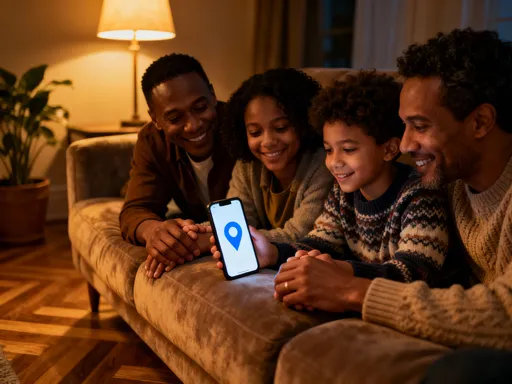
I first heard about location-sharing networks from my cousin, Maya, who used one to keep track of her teenage daughter. At first, I wasn’t sure how I felt about it. The idea of “tracking” someone sounded a little invasive, like something out of a spy movie. But Maya explained it wasn’t about control—it was about peace of mind. When her daughter left school, she’d know she was on her way home. If she stayed late at a friend’s house, she’d get a quiet alert. No calls, no anxiety. Just reassurance.
That idea stuck with me. I started wondering—could something like that work for adults? For friendships? We don’t talk about it much, but we worry about each other. When a friend doesn’t reply for a day, do we assume she’s busy—or is something wrong? When someone says they’re “fine” in a text, do we believe it? We carry those quiet concerns, but we don’t always know how to act on them without overstepping.
So I did some research. I looked into mainstream family safety apps—ones with strong privacy policies, end-to-end encryption, and no data storage. These weren’t shady tracking tools. They were designed for trust, not surveillance. I tested one for a week, just with my sister, to see how it felt. And honestly? It felt… normal. Not creepy. Not obsessive. Just comforting. When she arrived at the airport, I knew. When she left the doctor’s office, I didn’t have to ask. The silence between us was no longer filled with worry.
That’s when I thought—what if my friends and I tried this? Not to monitor each other, but to stay in sync. I brought it up over brunch, half-joking. “Imagine if we could just… know when someone’s nearby,” I said. Lena raised an eyebrow. Sarah laughed. But then Sarah said, “Actually, that would’ve saved me last week when I forgot my wallet and no one knew where I was.” We all nodded. The idea wasn’t about control. It was about care. And so, we decided to try it—not as a test, but as a gift to each other.
Setting It Up: Simpler Than a Group Chat
I’ll admit, I expected it to be complicated. Tech setups usually are. But this was surprisingly easy. We picked a well-known app that already had strong privacy protections—no data mining, no ads, no history logs. It only showed real-time location when you chose to share it. And it wasn’t always on. That was key. We didn’t want to be “live” 24/7. We wanted choice.
I walked each friend through the setup over a video call. Ten minutes, tops. Turn on location sharing. Add trusted contacts. Set up “safe zones” around our homes, workplaces, and favorite spots—like the bookstore near Sarah’s office or the café Lena always visits on Sundays. The app would quietly notify us when someone entered or left those areas—but only if we wanted it to. We turned off constant pings. No buzz every time someone moved. Just calm, occasional updates.
The tone we set mattered more than the tech. From the start, we treated it like a mutual favor. “I’ll know when you’re near, so I can put the kettle on,” I joked. “Only if you’re bringing cookies,” Lena shot back. That lightheartedness made it feel safe. We weren’t watching each other—we were looking out for each other.
We also set clear boundaries. No checking during work hours unless it was an emergency. No passive-aggressive texts like “I saw you were at the mall but didn’t stop by.” That kind of misuse would’ve ruined it. Instead, we agreed: this was about support, not scrutiny. If someone needed space, they could pause sharing anytime—no questions asked. And we meant it. The first time Sarah turned it off for a few days, no one mentioned it. When she turned it back on, no one asked why it had been off. That respect built trust faster than the tech ever could.
The First Week: Awkward Glances and Unexpected Relief
The first few days were… awkward. Human, really. Lena texted, “Are you spying on my grocery runs?” and we all laughed. Sarah joked that she’d have to start dressing better if we could see when she left the house. But beneath the jokes was a real question: could we do this without it feeling strange?
Then, small things started happening. Sarah forgot her wallet at a café. She texted the group, frustrated. But Lena saw she was only ten minutes away—she hadn’t even opened the app, it was just a quiet notification on her lock screen. She turned around, picked up Sarah’s wallet, and dropped it off on her way home. No drama. No extra messages. Just action.
Another day, I was running late to meet Lena at the train station. But the app showed she’d arrived early. So I left the house five minutes sooner, knowing she wouldn’t be standing there alone. When I got there, she smiled. “You’re early.” “Saw you were already here,” I said. She nodded. “Oh. Right. That’s nice.” It wasn’t a big moment. But it was a *different* kind of moment—one where we were present without having to say a word.
By the end of the week, the awkwardness had faded. We weren’t thinking about the app anymore. We were just… closer. Not emotionally deeper, not suddenly sharing secrets. But practically closer. Available. Attentive. The tech didn’t create care—it just made it easier to act on it.
Beyond Location: Shared Routines, Deeper Trust
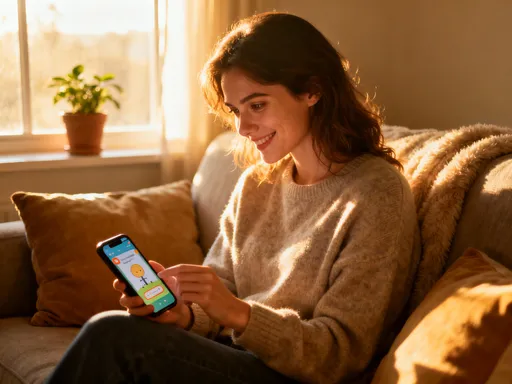
After a few weeks, we started using the app in ways we hadn’t planned. We added custom alerts—little signals that said more than words. “Free for a walk.” “Need to talk.” “Just need a hug.” These weren’t public posts. Just private notifications to each other. Soft invitations, not demands.
One rainy Tuesday, I saw both Lena and Sarah near the same bookstore. Neither had posted anything. But their locations—close, still—told me they were probably browsing. I sent a quick message: “You two at Pages & Co? I’m free if you want company.” Ten minutes later, we were in the café upstairs, sipping tea, laughing about an old inside joke. That moment wouldn’t have happened without the quiet awareness the app gave me. I didn’t interrupt. I didn’t guess. I just *knew*.
Another time, Sarah had been quiet for days. Her location showed she hadn’t left her apartment much. I didn’t confront her. I didn’t ask, “Are you okay?” in a worried text. Instead, I sent a simple voice note: “I’m down the street. Got your favorite soup. Want company?” She said yes. We sat on her couch, ate in silence, then talked for hours. The app didn’t tell me she was struggling—but it gave me the nudge I needed to reach out gently.
These moments didn’t happen because the technology was smart. They happened because it was *quiet*. It didn’t replace conversation. It made space for better ones. We weren’t just staying connected—we were learning how to show up for each other in ways that felt natural, not forced.
Privacy Fears? We Talked Them Through
Of course, it wasn’t all smooth. Sarah admitted she’d felt uneasy at first. “What if someone checks on me when I don’t want to be seen?” she asked over wine one evening. Lena nodded. “I don’t want to feel like I’m being watched, even by friends.” I understood. That fear is real. Just because we love someone doesn’t mean we want them to know every move we make.
So we had a real conversation—face to face, not through screens. We agreed: this only works if everyone feels safe. That means respecting boundaries, not just setting them. If someone turns off sharing, no one asks why. If someone wants to pause for a week, a month, or forever—fine. No guilt. No pressure.
We also agreed not to make assumptions. Just because someone is near your house doesn’t mean they’re avoiding you. Just because someone is at a café alone doesn’t mean they’re sad. The data isn’t a story—it’s just data. We’re the ones who give it meaning. And we promised to give each other the benefit of the doubt.
The app had features that helped—like temporary pause modes and private zones you could hide. But the real safeguard wasn’t the tech. It was the trust. We didn’t assume good intentions—we practiced them. And over time, that practice made the connection stronger, not weaker. Knowing we had space made us want to be together more.
Why This Isn’t Just for Families—And Why It Matters
We talk a lot about safety tools for kids. And they’re important. But adults need safety too—not just physical, but emotional. We need to know we’re not alone. That someone notices when we’re quiet. That help is close, even if we don’t ask for it.
Friendships are one of the most powerful sources of well-being, especially as we age. But they’re also fragile. They don’t come with manuals. They don’t have automatic updates. They require effort. And in a world that’s loud, fast, and full of distractions, that effort can feel exhausting.
This little network didn’t fix everything. It didn’t make us talk more. It didn’t solve old conflicts or erase years of bad habits. But it removed one layer of stress—the kind that comes from miscommunication, from guessing, from wondering. Now, when one of us travels, the others know she arrived safely. When someone is going through a hard time, we can show up—quietly, gently—without making her explain herself.
That’s not surveillance. That’s care. It’s the digital equivalent of leaving the porch light on—so someone knows they’re welcome, even if they don’t come in right away. We’re not more loyal. We’re not more loving. We’re just… easier. And sometimes, that’s exactly what keeps us close.
I used to think strong friendships were built on grand gestures—long talks, surprise visits, dramatic support. But I’ve learned it’s the small things that matter most. The tea that’s already warm when you arrive. The wallet returned without you asking. The friend who shows up with soup because she saw you hadn’t left the house. These aren’t accidents. They’re the quiet results of a system that helps love show up in real time.
Technology won’t save your friendships. But it can help them survive the chaos of everyday life. It can turn effort into ease. It can make care feel effortless. And in a world that asks so much of us—especially of women juggling family, work, and personal dreams—sometimes, effortless is exactly what we need.
We still have our group chat. We still send memes and vent about work. But now, there’s something underneath it all—a quiet current of awareness. We don’t have to say “I’m here” because the app shows it. We don’t have to ask “Are you okay?” because we can see when to reach out.
It’s not about always knowing where someone is. It’s about knowing you’re not alone. That if you need someone, they’re not far. That you’re seen, even in silence. And that, more than any feature or function, is what’s kept us close.