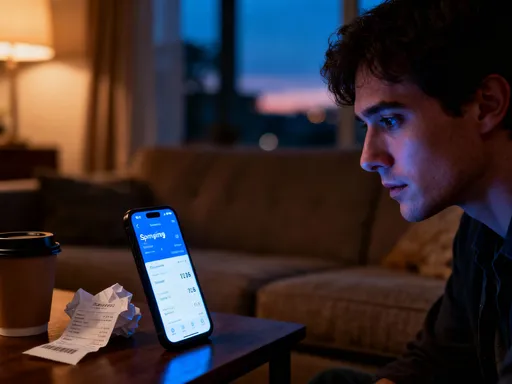
Organized Our Life in 3 Weeks: The App That Finally Unified Our Calendars and Chores
Remember that frantic morning when you forgot the dentist appointment, your partner thought you were handling dinner, and both of you ended up stressed and late? We’ve been there. It wasn’t just about being busy—it was about miscommunication. Then we found a simple app that changed everything. Not because it’s flashy, but because it quietly brought order to our chaos. This is how we finally stopped repeating the same arguments—and started feeling more connected. It wasn’t magic. It wasn’t a personality overhaul. It was just one small tool, used with intention, that helped us stop working against each other and start moving forward together.
The Breaking Point: When Small Miscommunications Built Up
It wasn’t one big fight that pushed us to change—it was the slow drip of daily misunderstandings that wore us down. I’ll never forget that Tuesday in October. I was rushing to pack lunches, school forms, and permission slips while trying to remember if the kids’ soccer practice had moved to Wednesday. My partner walked in at 5:30, grocery bags in hand, and said, ‘I got the salmon you wanted.’ But I hadn’t asked for salmon. In fact, I had sent a message that morning about picking up milk and eggs—clearly, it had gotten lost in the shuffle. Meanwhile, our youngest had a dentist appointment that evening, which I assumed he’d marked on his calendar. He hadn’t. We arrived 20 minutes late, sat through a quiet scolding from the receptionist, and then had to eat scrambled eggs for dinner because there was nothing else ready.
That night, we didn’t yell. We didn’t even argue. We just sat on the couch, exhausted, and said almost in unison: ‘We can’t keep doing this.’ It wasn’t about the salmon or the eggs. It wasn’t even about the missed appointment. It was about how often we felt like ships passing in the night—both trying to do the right thing, but never quite in sync. We were parenting, working, managing a home, and keeping up with aging parents, yet we kept tripping over the basics. The emotional weight of that constant misalignment was heavier than any single chore or schedule conflict. We weren’t failing because we didn’t care. We were failing because we had no shared system to care through.
Looking back, I realize we’d fallen into a common trap: assuming that because we lived under the same roof, we were automatically on the same page. But without a way to see each other’s mental to-do lists, we were both carrying invisible loads. I’d remember to schedule the vet, but forget to tell him. He’d sign the kids up for a camp, but I’d miss the email. We weren’t lazy. We weren’t selfish. We were just operating in isolation, each of us trying to hold everything together alone. And every time something slipped through the cracks, it didn’t just cause inconvenience—it chipped away at trust. Small oversights started to feel like neglect. And that’s when I knew: we didn’t need to try harder. We needed a better way.
Why We Resisted “Couple Apps” for So Long
When I first suggested using a shared app, my partner was skeptical. ‘You mean like those couple trackers?’ he asked. ‘The ones that log how often you text or rate your mood every day?’ I laughed, because I knew exactly what he meant. There are so many apps out there that feel more like surveillance tools than support systems. Ones that turn your relationship into a dashboard of metrics—love points, communication scores, even shared sleep patterns. That’s not us. We value privacy. We like spontaneity. We don’t want to feel like we’re being monitored or graded.
But here’s what we realized: our resistance wasn’t to technology. It was to the wrong kind of technology. We weren’t rejecting tools—we were rejecting gimmicks. What we needed wasn’t an app that analyzed our feelings or counted our arguments. We needed something practical. Something that helped us coordinate real-life tasks without adding more mental clutter. We didn’t need a relationship coach in our pocket. We needed a shared brain.
That shift in mindset made all the difference. Once we stopped seeing shared apps as intrusive or overly clinical, we could start looking for ones that served a clear, functional purpose. We weren’t trying to ‘optimize’ our love. We were trying to make grocery shopping easier. We wanted to stop double-booking the car or missing school events. We wanted to know, at a glance, who was handling what—without having to send three texts back and forth. When we reframed it that way, the idea of using an app didn’t feel cold or robotic. It felt like common sense. Like finally giving ourselves the support we’d been pretending we didn’t need.
How One App Simplified Our Shared Life
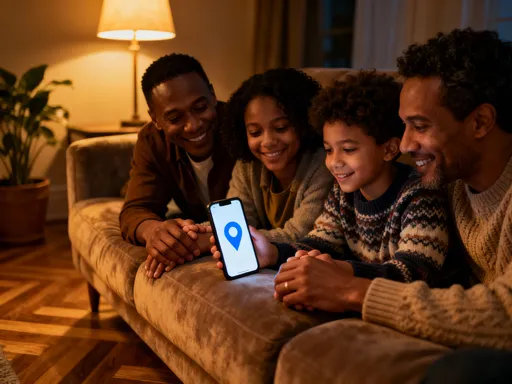
We didn’t go looking for a ‘couples’ app. In fact, we found ours by accident while trying to organize a family vacation. It was a simple, no-frills mobile organizer—originally designed for project management, but flexible enough to adapt to daily life. We started by syncing our calendars. At first, it felt strange to see his dentist appointment pop up on my phone, or for him to see my yoga class. But within days, it became normal. Then comforting. Then essential.
We added a shared grocery list. No more sending last-minute messages like ‘Did you get the almond milk?’ or standing in the store aisle, texting back and forth about what we already had at home. Now, one of us adds an item, and it’s instantly visible to both. We even color-code: blue for pantry staples, green for produce, red for urgent needs. It sounds small, but how many times have you opened the fridge, sighed, and thought, ‘I could’ve sworn we had eggs?’ This one feature alone saved us hours a month—and at least three emergency convenience store runs.
Then came the chore tracker. We didn’t want anything rigid or punitive. No point systems, no guilt trips. Just a simple checklist: ‘Take out trash,’ ‘Schedule furnace check,’ ‘Pay electricity bill.’ We assigned recurring tasks and set reminders. If one of us was traveling or overwhelmed, the other could easily see what needed attention. The app didn’t do the work for us—but it made sure nothing slipped through the cracks. And because updates were automatic, there was no need to ‘report in’ or justify why something wasn’t done. The app held the information. We just had to act on it.
The real magic wasn’t in the features. It was in the peace of mind. Knowing that both of us could access the same information, at the same time, without drama or double-checking, changed how we moved through our days. It wasn’t about control. It was about clarity. And that clarity made room for more patience, more kindness, and—strangely—more romance. When you’re not constantly stressed about forgotten responsibilities, you have more emotional space to actually enjoy each other.
The Real Benefit Wasn’t Efficiency—It Was Peace
Yes, we saved time. We’re probably more efficient now than we’ve ever been. But if I had to name the biggest change, it wouldn’t be efficiency. It would be peace. The kind of quiet, steady calm that comes from knowing you’re not alone in holding everything together. Before, I used to keep a mental list of everything I’d done—laundry, school pickups, doctor calls—waiting, unconsciously, for recognition. If my partner didn’t notice, I’d feel resentful. If he forgot something, I’d take it personally. It wasn’t fair. But it was human.
The app changed that. Now, when I see that he paid the water bill or refilled the kids’ prescriptions, it’s not because he told me. It’s because I saw it marked ‘completed’ in our shared space. No bragging. No reminders. Just quiet proof that he’s showing up. And when I’m the one who handles something, I don’t need to announce it. It’s already there, visible and acknowledged by the system. That small shift removed so much emotional labor. We stopped keeping score because the app did it for us—without judgment.
And here’s the unexpected part: we started communicating better. Not because we were trying harder, but because we didn’t have to. Instead of starting a conversation with ‘Did you remember to…?’ we could just check the app. That might sound cold, but it actually made our interactions warmer. We weren’t starting from a place of suspicion or correction. We were starting from shared awareness. And that made room for more meaningful conversations—about how we were feeling, what we needed, or even just what we wanted to do on a quiet Sunday morning.
Peace doesn’t come from a perfect schedule. It comes from trust. And this little app, in its quiet way, rebuilt ours.
How We Set It Up—And Avoided Common Pitfalls
We didn’t go all in right away. That was key. Our first mistake—yes, we made one—was trying to transfer every single task, event, and grocery item in one weekend. We overwhelmed ourselves. By Monday, we were both ignoring the app because it felt like another chore. So we reset. We started with just two things: shared calendar and grocery list. That’s it. For two weeks, that’s all we used. Once it felt natural, we added the chore tracker. Then bill reminders. Then vacation planning.
We also set clear boundaries. We agreed that the app wasn’t a tool for micromanaging. No passive-aggressive task assignments. No using it to point out what the other person hadn’t done. We gave each other edit access, but also respected that some things were personal. For example, I keep my therapy appointments private. He keeps his work project notes separate. The shared space is for shared responsibilities—not for full transparency.
And we built in weekly check-ins. Every Sunday evening, over coffee, we spend 15 minutes reviewing the week ahead. We look at the calendar, adjust chores if needed, and add anything new. It’s become a ritual—not because we have to, but because we want to. It’s our way of reconnecting, realigning, and making sure we’re both feeling supported. Those 15 minutes have done more for our relationship than any weekend getaway.
The biggest lesson? Simplicity wins. The app works because it doesn’t demand much. It doesn’t need perfect data. It just needs consistency. And when both people are using it with goodwill, it becomes less of a tool and more of a shared language.
Beyond Couples: A Tool for Family and Personal Clarity
What started as a solution for two quickly became a hub for our whole household. We added a family calendar, color-coded by person. The kids can now see their activities, and we’ve taught them to check it before making plans with friends. We even added a ‘family fun’ tab where we drop ideas for weekend outings—mini-golf, pancake breakfasts, stargazing. It’s become a little treasure chest of connection.
But it’s not just for togetherness. The app also helped us protect our individuality. We created personal sections—mine for writing projects, his for home renovation plans. Having a designated space for personal goals kept them from getting lost in the daily noise. I no longer have to scribble book ideas on napkins. He doesn’t have to dig through old emails to find paint samples. Our mental clutter decreased because our digital organization increased.
Even when we’re apart—traveling for work or visiting family—we feel more connected. I can see that he’s landed safely because he marked ‘travel day’ in the app. He knows I handled the pet sitter because it’s checked off. Distance doesn’t mean disconnection anymore. The app became a bridge, not a barrier.
It’s funny—what began as a fix for forgotten dentist appointments now supports our dreams, our downtime, and our daily rhythm. It’s not just organizing our lives. It’s honoring them.
Why This Isn’t Just About Apps—It’s About Intentional Living
I’ll say it again: the app didn’t save our relationship. We did. The app was just the container for our effort. It gave us a way to show up for each other without words. It turned good intentions into visible actions. And in doing so, it helped us build a life that feels less chaotic and more intentional.
Because here’s the truth: we’re all doing our best. We’re juggling jobs, kids, aging parents, and our own dreams. We don’t need more pressure. We need better systems. Systems that don’t rely on memory or mind-reading. Systems that allow us to support each other without burning out. This app didn’t make us perfect. But it made us kinder. It made us more patient. It made us feel like a team again.
And maybe that’s the most beautiful thing about technology when it’s used well—it doesn’t replace human connection. It makes space for it. It handles the logistics so we can focus on the love. So we can remember why we started this journey together in the first place.
If you’re feeling overwhelmed, if you’re tired of the same conversations, if you’re carrying too much in your head—know this: you don’t have to figure it all out alone. Sometimes, the smallest change—a shared list, a synced calendar, a 15-minute check-in—can open the door to a calmer, more connected life. It won’t fix everything. But it might just give you the breathing room you need to fix what matters most.