I thought we were safe enough: How motion sensors gave my family real peace of mind
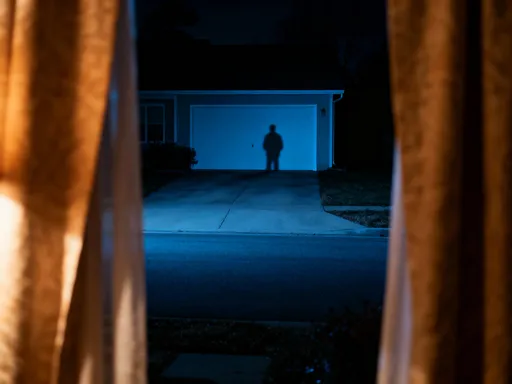
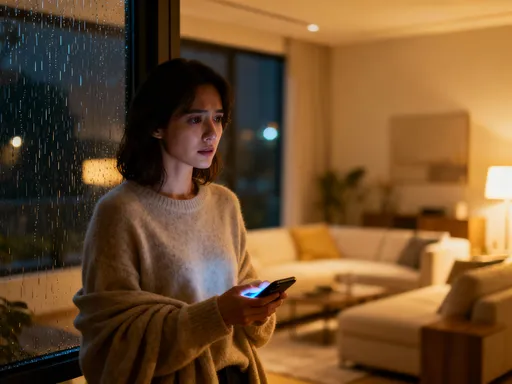
You know that moment when you’re lying in bed, and your mind suddenly races: Did I lock the back door? Is the basement light on? Could someone be walking through the yard right now? I used to brush those thoughts aside—until one night, I saw a shadow move across the driveway. Nothing happened, but the anxiety stuck. That’s when I realized: feeling safe isn’t just about locks and alarms. It’s about knowing. Motion detection devices changed how my family experiences home—not with fear, but with quiet confidence. And it’s not just for nighttime worries. The real difference shows up in everyday moments. It’s in the soft glow of a hallway light when my daughter gets up to study, the gentle alert that tells me my mom has started her morning in her own home, or the simple satisfaction of walking into a warm, well-lit house after a long day. This isn’t about turning our lives into a sci-fi movie. It’s about using smart, thoughtful technology to make life a little easier, a little kinder, and a lot more peaceful.
The Night That Changed Everything
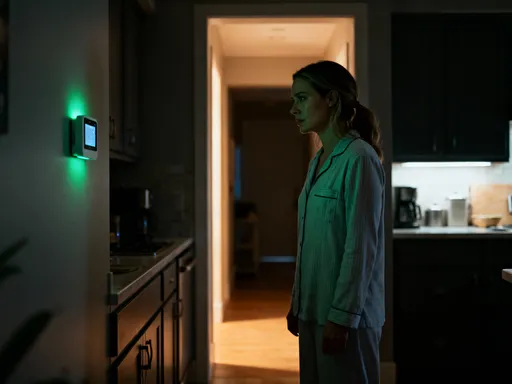
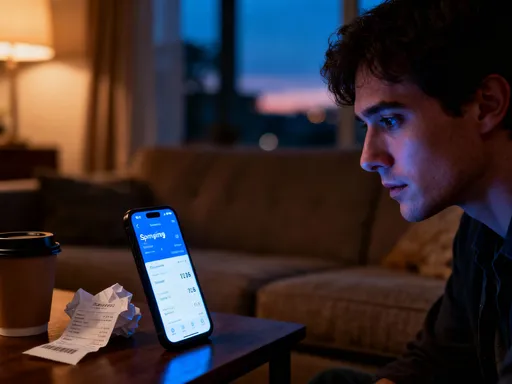
It was a quiet Tuesday night. The kids were asleep, the dishes done, and I was curled up on the couch with a book. Around 10:30, I glanced out the kitchen window—just a quick look—and saw it: a dark shape moving near the side gate. My breath caught. I stared harder. Was it a raccoon? A neighbor’s dog? Or something else? I didn’t wait to find out. I locked every door, checked the windows, and spent the next hour wide awake, heart pounding. The next morning, the yard was empty. No footprints, no broken latch, nothing out of place. But the feeling lingered. That’s when I realized how fragile that sense of safety really is. We had deadbolts, a basic alarm system, and outdoor lights. But none of it gave me the one thing I truly needed: clarity. I didn’t need more locks—I needed to know. That’s when I started looking into motion detection systems. Not because I wanted to live in fear, but because I wanted to stop living in doubt. And honestly? That single moment changed everything. It wasn’t about preparing for the worst. It was about restoring a sense of calm in our own home. I wanted to stop second-guessing myself every night. I wanted to trust that if something was off, I’d know—not because I imagined it, but because my home told me.
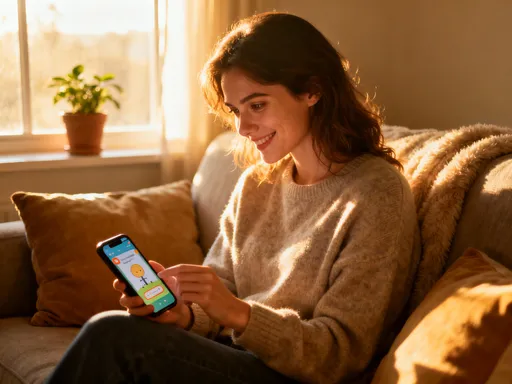
What surprised me most was how quickly that shift happened. Within a week of installing a few well-placed motion sensors, I stopped lying awake wondering if the garage door was open or if someone had wandered onto the property. The system didn’t make our home impenetrable—it made it knowable. And that made all the difference. I remember the first time I got a notification while folding laundry: a gentle ping on my phone saying motion detected near the back door. I checked the app, saw it was just my husband stepping out for the mail, and smiled. It wasn’t dramatic. But it was powerful. For the first time in years, I didn’t have to wonder. I knew. And that small certainty? It began to reshape how I moved through my days—lighter, calmer, more present. Because when your mind isn’t stuck on what-ifs, you can actually enjoy the now.
Beyond Security: Motion Sensors in Daily Life
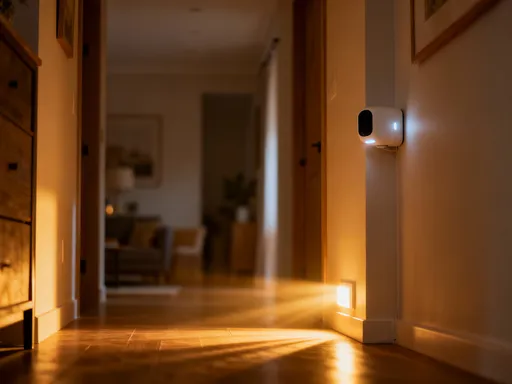
When I first started researching motion sensors, I pictured them as tools for catching intruders or sounding alarms. But the truth is, their real magic shows up in the quiet, ordinary moments. They’re not just about safety—they’re about simplifying life. Take mornings, for example. Before we had motion-activated lights in the hallway and bathroom, I’d stumble through the dark, bumping into furniture, trying not to wake the kids. Now, the second I step out of bed, the path is gently lit. No fumbling for switches, no squinting in the dark. It feels like the house is looking out for me. And that small comfort? It sets the tone for the whole day. I’m not starting with frustration—I’m starting with ease.
Then there’s the peace of knowing my teenager got home safely from school. She’s responsible, but I’m still her mom. When the sensor by the front door detects motion and sends a quiet alert, I don’t have to text her and interrupt her with “Did you make it?” I just see the notification and relax. It’s not about controlling her—it’s about trusting the process. And for her, it’s not about being watched. It’s about knowing someone cares. We even set up a motion sensor in the kitchen that reminds her if the stove has been on for more than ten minutes. Not because we don’t trust her, but because we all forget sometimes. Last week, she texted me: “Mom, the app just told me I left the burner on. Thanks, tech!” We both laughed. But beneath the humor was something deeper: a quiet sense of care, woven into the fabric of our home.
And it’s not just for kids. My sister uses motion sensors in her parents’ home to gently track daily routines. A light turn-on in the kitchen around 7 a.m. means Dad’s up and starting his day. No motion by 9? That’s when she calls to check in. It’s not about surveillance—it’s about staying connected. These small signals help her feel close, even when she’s miles away. Technology, in this case, isn’t cold or intrusive. It’s warm. It’s love in action. It’s the digital version of knocking on the door and saying, “Hey, I’m here if you need me.” And isn’t that what home is supposed to feel like?
At the Front Door: Who’s Really There?
How many times have you missed a delivery because you didn’t hear the doorbell? Or been startled by a knock when you were on a work call? I’ve had both happen—more than once. That’s why adding a motion sensor with a camera to our front door changed everything. Now, when someone approaches—even before they ring—I get a notification. I can peek at my phone and see who it is: the mail carrier, a neighbor dropping off cookies, or a surprise visit from my sister. No more guessing. No more anxiety about missing something important. And if it’s a stranger? I can decide whether to answer or let it go. It’s a small thing, but it gives me back a sense of control in a world that often feels chaotic.
For busy parents, this is a game-changer. My friend Lisa works from home and has two young kids. She told me, “I used to dread the doorbell. Was it a client call? A package? A kid who forgot their key? Now, I see it coming. I can finish my sentence on Zoom, hand my toddler a snack, and then respond calmly.” That’s the kind of relief that doesn’t show up on a spreadsheet but matters deeply in real life. It’s about reducing mental load—the invisible weight we carry from constantly switching gears. The front door sensor doesn’t just tell us who’s there. It gives us time to breathe before we react.
Setting it up was easier than I expected. We mounted the sensor above the door, made sure it covered the walkway but not the public sidewalk (privacy matters!), and adjusted the sensitivity so it wouldn’t go off every time a leaf blew by. Most systems let you customize zones and schedule active times—like turning off alerts during the day when the kids are coming and going. And here’s a tip: if you’re worried about privacy, look for a system that stores video locally or lets you turn off recording when you’re home. This isn’t about watching every move—it’s about knowing when to pay attention. When used thoughtfully, a front-door motion sensor isn’t intrusive. It’s a quiet guardian, helping you stay connected without losing your peace.
Keeping Kids Safe—Without Hovering
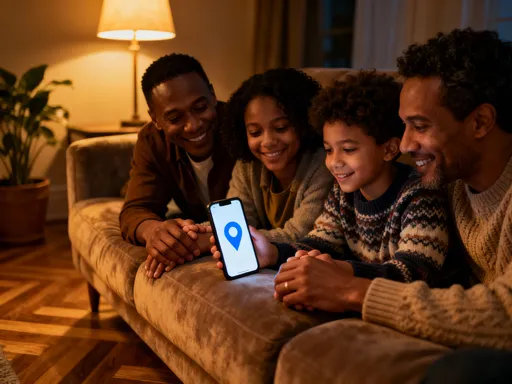
Let’s be honest: parenting doesn’t come with a manual, and worry is part of the job. But there’s a difference between healthy concern and constant anxiety. I used to text my kids the second they were late—“Where are you?” “Are you safe?”—only to feel guilty when they replied, “Mom, I’m fine. Stop worrying.” I wasn’t trying to nag. I just wanted reassurance. Motion sensors gave me a better way. Now, when my son comes home from basketball practice, the motion detector in the mudroom sends a simple alert: “Front entry motion at 6:42 p.m.” I don’t have to ask. I don’t have to interrupt. I just know he’s home. And that tiny update? It dissolves the tension in my shoulders like nothing else.
But it’s not just about arrivals. We also have a sensor in the basement, where the kids love to hang out. If motion is detected after 10 p.m., I get a quiet alert. Not a siren. Not a lecture. Just a nudge. Last week, it went off at 10:15. I walked downstairs and found my daughter doing homework with a friend, both in pajamas, surrounded by books and half-eaten snacks. “We lost track of time,” she said. I smiled, reminded them about bedtime, and left. No drama. No yelling. Just a gentle check-in, made possible by a small device that respects their space while keeping them safe.
The key, I’ve learned, is balance. We don’t have sensors in bedrooms or bathrooms—that’s a hard boundary. But in common areas? They’re a tool for trust, not control. They help me notice patterns. If my son’s room shows no morning motion by 7:30, I check in. If the kitchen light comes on at 2 a.m. two nights in a row, we talk about sleep and stress. It’s not about policing—it’s about understanding. And for my kids, it’s not about being watched. It’s about knowing I care. One night, my daughter said, “I like that the house tells you I’m home. It means you don’t have to worry.” That hit me right in the heart. Because that’s what this is really about: love. Not fear. Not control. Just love, quietly expressed through a gentle alert on a phone.
Caring for Aging Parents from Afar
When my mom moved back into her own home after hip surgery, I wanted to support her independence—but I also wanted to know she was okay. She’s strong and capable, but I’m her daughter. Of course I worry. That’s when I learned about using motion sensors to support aging parents with dignity. We installed a few simple devices: one in the hallway near her bedroom, one in the kitchen, and one by the front door. No cameras. No microphones. Just motion detection to track daily rhythms. If she’s up by 8, the kitchen light turns on, and the front door opens for her morning walk, I know she’s moving well. If not? I call. It’s that simple.
One Tuesday, I didn’t get the usual morning motion. No activity by 10 a.m. My stomach dropped. I called—no answer. I called her neighbor, who checked in and found Mom had slipped in the bathroom. She wasn’t seriously hurt, but she couldn’t get up. Because of that small sensor, she got help within an hour, not hours later. That moment changed everything for our family. It wasn’t about fear. It was about care. And it showed me how technology, when used with love, can be a lifeline.
The beauty of this system is that Mom doesn’t feel watched. She knows the sensors are there, but they don’t change her routine. She still lives her life—cooking, reading, gardening. But now, I can love her from a distance without nagging or invading her privacy. I don’t need to call every morning to ask, “Did you eat?” I can see the kitchen light come on and know she did. It’s not about replacing human connection. It’s about enhancing it. It gives me peace so I can talk to her about her garden, not just her safety. And that? That’s the kind of peace every caregiver dreams of.
Saving Energy and Simplifying Mornings
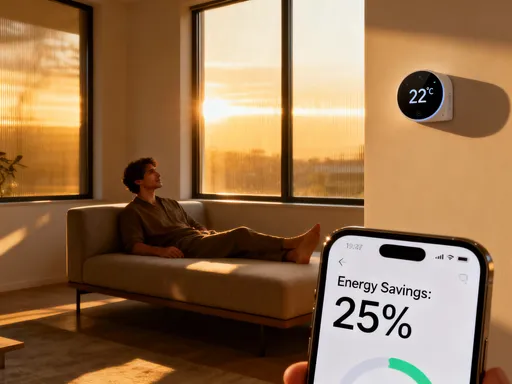
We talk a lot about safety, but motion sensors do something else just as important: they make life easier. I don’t know about you, but I’m tired of wasting energy. Lights left on in empty rooms, the heat blasting when no one’s home, the coffee getting cold because I forgot to start the pot. Motion detection helped us fix all of that—without changing our habits. We installed smart lights in the living room, kitchen, and basement that turn on when someone enters and off after ten minutes of stillness. No more yelling, “Who left the basement light on again?” It just takes care of itself.
Then we connected motion sensors to our thermostat. When no motion is detected for over an hour, the system switches to energy-saving mode. When someone walks in, it warms up again. Our energy bill dropped by nearly 15% in the first month. That’s real savings—money we redirected to family trips and college funds. But more than that, it’s the mental relief of not having to remember everything. As a mom, I’m used to being the family’s memory—“Turn off the lights!” “Close the garage!” “Did you lock the door?” Now, the house helps me. It’s like having a quiet partner who picks up the slack.
Mornings are smoother, too. The kitchen lights come on the second I walk in. The coffee maker, synced to motion and time, starts brewing when I enter at 6:30. I don’t have to touch a thing. I just walk in, wrap my hands around a warm mug, and take a breath. That small ritual—no rushing, no fumbling—sets a calm tone for the day. And when the kids stumble in, half-asleep, the path to the fridge is lit. No stubbed toes, no grumpy mornings. Just ease. That’s the quiet power of motion tech: it doesn’t demand your attention. It gives you back time, energy, and peace. And isn’t that what we all want?
Choosing What Matters: Managing Alerts with Priority
Here’s the truth no one tells you: too many alerts can make you more stressed, not less. When I first set up our system, I got a notification every time a tree branch swayed or the cat walked by. I started ignoring them. That’s when I realized: the tech only works if it fits your life, not the other way around. The real skill isn’t installing sensors—it’s learning what to pay attention to. So we customized everything. We turned off alerts during the day when the family is coming and going. We silenced motion detection in the living room after 8 p.m. because that’s when the dog likes to wander. And we set high-priority alerts for the basement at night, the front door after midnight, and the kitchen if motion happens between 2 and 5 a.m.
Now, when I get a ping, I know it’s worth checking. It’s not noise—it’s information. I also use time-based rules. For example, if motion is detected in my mom’s kitchen before 7 a.m., it’s normal. If it’s after 10 p.m., I get an alert. This way, the system learns what matters and filters out the rest. It’s not about being alerted to everything. It’s about being alerted to what’s important. And that makes all the difference. I don’t live in a state of constant alert. I live in a state of quiet confidence. Because the system works in the background, only speaking up when it needs to.
Another tip: group your devices by zone. We have “Family Areas,” “Night Zones,” and “Elder Care.” That way, I can adjust settings based on who’s home, what time it is, and what kind of peace I need. It’s not about having more tech—it’s about having smarter tech. And when you get it right, the alerts stop feeling like interruptions and start feeling like gentle reminders that your home is looking out for you.
Conclusion: More Than a Gadget—A Calm Presence at Home
When I started this journey, I thought motion sensors were about security. I thought they were for catching intruders or preventing break-ins. But I was wrong. They’re not about fear. They’re about freedom. Freedom from doubt. Freedom from constant worry. Freedom to live fully in your home, knowing it supports you. This technology didn’t make our house colder or more clinical. It made it warmer. More attentive. More like us. It’s in the way the lights guide my daughter to the bathroom at night, the way I know my mom started her day, the way my husband smiles when the coffee is ready before he even asks. These aren’t flashy features. They’re quiet moments of care, made possible by thoughtful design.
Peace of mind isn’t something you buy. It’s something you build—moment by moment, choice by choice. And for our family, motion sensors became one of those choices. Not because we’re afraid, but because we care. We care about safety, yes, but also about comfort, connection, and calm. We care about making life a little easier for each other. And when technology fades into the background—when it stops feeling like tech and starts feeling like home—that’s when it’s working. That’s when it’s not just a gadget. It’s a presence. A quiet, steady companion that says, “I’ve got you.” And maybe, just maybe, that’s the most powerful kind of security there is.