From Fear to Freedom: How Smart Gas Monitoring Gave Our Family Peace of Mind
Living in an old apartment building, I used to wake up to the smell of gas and my heart racing. Was it real? Was the stove off? These worries haunted me—until we installed a smart gas detector. It didn’t just beep when danger was near; it learned our habits, sent alerts to our phones, and quietly became part of our daily rhythm. This is not just about technology. It’s about how a small device brought real peace to our home. If you’ve ever paused mid-step, wondering if you left the oven on or caught a whiff of something strange, you know that quiet hum of anxiety. I did. For years. And I didn’t realize how much it drained me—until it stopped.
The Moment Everything Changed
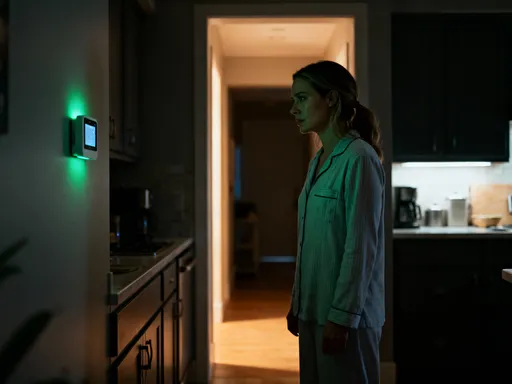
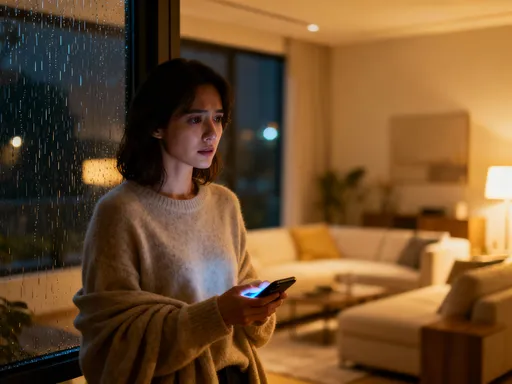
It was 2:17 a.m. when I sat bolt upright in bed, my chest tight, sweat on my palms. I had dreamed the stove was on—flames licking the side of a pot, gas hissing into the kitchen. But dreams feel real when your home has old pipes and walls that creak like secrets. I crept to the kitchen, heart pounding, and checked every burner. All off. The pilot lights were steady. I even sniffed the air. Nothing. And yet, the fear didn’t leave. It stayed, like a shadow just outside the light.
This wasn’t the first time. In fact, it had become a ritual—waking in the night, checking the stove, checking the water heater, checking the windows. My apartment, charming with its vintage details and high ceilings, also had outdated gas lines and a stove that sometimes didn’t click off completely. I’d remind myself: I’m safe. The building’s been here for decades. But logic doesn’t always calm a mother’s heart—especially when my elderly parents visited from out of town and my six-year-old nephew loved to “help” by turning knobs he didn’t understand.
One evening, after my sister dropped him off, I found him standing proudly in front of the stove, grinning. “I turned on the flame for you, Auntie!” My stomach dropped. The burner was lit, but nothing on it. I turned it off gently, praised his helpfulness, and then spent the next hour replaying the moment. What if I hadn’t checked? What if he’d left it on and wandered off? The weight of responsibility pressed down on me in a way it never had before. I wasn’t just managing housework or schedules—I was guarding lives. And I was doing it alone, with nothing but memory and luck.
That night, I sat at the kitchen table with my laptop, tears blurring the screen. I typed: “How do I stop worrying about gas leaks?” The search results were full of safety checklists and old-school detectors that promised loud beeps but nothing more. I read about carbon monoxide, natural gas, propane—all invisible, odorless until additives kick in, and even then, not always reliable. I realized something: we live in a world of smart fridges, voice-controlled lights, and apps that track our sleep. Why are we still using 1980s-style alarms for one of the most dangerous risks in our homes?
Searching for More Than Just an Alarm
I started digging deeper. I watched videos, read reviews, joined online groups for home safety. Most gas detectors I found were basic—loud, jarring, and dumb. They couldn’t tell the difference between the steam from a boiling pot of pasta and a real gas leak. One false alarm meant everyone jumping, dinner ruined, and the device silenced in frustration. But the real danger wasn’t the false alarm—it was the missed one. What if it went off when no one was home? What if I was in the shower and couldn’t hear it?
Then I stumbled on something different: AI-powered gas monitors. At first, I thought it was marketing hype. “Smart gas detector”? Sounded like something from a sci-fi movie. But as I read more, I realized this wasn’t just a louder alarm. These devices use sensors combined with machine learning to understand your home’s patterns. They learn when you cook, when the house is empty, when steam is normal—and when a real threat emerges.
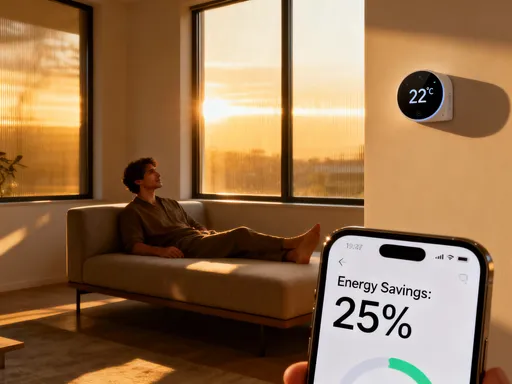
One model, in particular, caught my eye. It didn’t just detect gas—it analyzed the type, measured concentration over time, and sent real-time alerts to your phone. Even better, it could distinguish between natural gas and water vapor. No more panic over a simmering soup. And if a leak was detected while I was at work or asleep, I’d get a notification instantly. I could check the air quality from my desk. I could warn my family. I could even integrate it with our smart thermostat to shut off gas valves automatically in some systems.
I remember showing the product page to my best friend over coffee. “So it’s like a baby monitor for your kitchen?” she asked. Exactly. That’s when it clicked. I wasn’t looking for a gadget. I was looking for a guardian. Something that didn’t require me to be perfect, to remember every detail, to stay alert every second. I wanted something that could watch when I couldn’t, that could know the difference between normal life and real danger. And for the first time, that was possible.
Choosing the Right Fit for Real Life
Of course, not every smart detector delivers on its promises. I ordered two different models to test. The first one looked sleek but was a nightmare to set up. The app kept disconnecting, the instructions were confusing, and within two days, it went off three times—each time during normal cooking. I silenced it in frustration, and honestly, I almost gave up. If the solution caused more stress than the problem, what was the point?
The second model was different. Unboxed in minutes. Plugged into the wall near the stove—no complicated wiring. Connected to our home Wi-Fi in under five. The app was clean, intuitive, with a dashboard showing air quality in real time. Within 48 hours, it started learning. I could see on my phone that it recognized cooking patterns, flagged high humidity, and stayed quiet during normal use. The first real test came when I left a burner on low after dinner. I was already in the living room when my phone buzzed: “Gas detected. Burner may be on. Please check.” No siren. No panic. Just a calm, clear alert. I turned it off, and the app updated instantly.
My mom, who had always teased me about being “too techy,” was the biggest convert. She started checking the app when she called to see if we were home. “I saw the kitchen was quiet—thought you might want to know dinner’s ready!” she said once, laughing. To her, it wasn’t a gadget. It was peace of mind. She didn’t need to ask, “Did you turn off the stove?” anymore. She could see for herself. That small shift changed how we communicated. Less worry. More connection.
And design mattered, too. I didn’t want something bulky or industrial-looking in my kitchen. This one had a soft glow, a minimalist face, and blended in like a digital clock. It didn’t scream “safety device.” It whispered, “I’ve got this.” That made a difference. We didn’t hide it. We didn’t ignore it. We lived with it—naturally, quietly, confidently.
How Learning Ability Transforms Safety
What surprised me most wasn’t the alerts—it was how the device learned. At first, it was cautious. Every time I boiled water, it monitored closely. But after a week, it started recognizing patterns. Morning coffee prep? Normal. Evening stir-fry with high heat? Expected. Lingering gas smell after I forgot to turn off the pilot light? Flagged immediately.
This wasn’t just detection. It was understanding. The AI didn’t just react—it adapted. It built a profile of our home, our routines, our rhythms. Over time, it became more accurate, more trustworthy. I began to rely on it not just for safety, but for reassurance. If I was tired and couldn’t remember if I’d turned off the stove, I didn’t have to go back and check. I could open the app. Green light. Safe. Move on.
There’s a psychological shift that happens when you stop living in a state of low-grade fear. Before, I’d double-check the stove three times before leaving the house. Now, I glance at my phone. That small act—trusting the device—freed up mental space I didn’t even know I was using. I wasn’t just safer. I was calmer. More present. Less distracted by the “what ifs.”
It’s like having a thoughtful roommate who never sleeps. Someone who notices when you’re distracted, when you’re rushing, when you’re tired—and quietly steps in. Not to scold. Not to alarm. But to protect. That’s the power of learning-based technology. It doesn’t replace human care. It supports it. It gives us room to breathe, to make mistakes, to live fully—without fear holding us back.
A Ripple Effect on Daily Calm
The change didn’t stop at gas safety. Once that constant hum of anxiety faded, other worries softened too. I started sleeping through the night. No more 3 a.m. stove checks. My focus at work improved because I wasn’t mentally replaying home scenarios during meetings. Even my relationship with my sister changed. We used to argue about her son “helping” in the kitchen. Now, I laugh when he turns the knob—because I know the detector will alert me if anything’s wrong.
One weekend, we hosted a family dinner. The kitchen was loud, full of laughter, steam rising from pots, music playing. My nephew was “assisting,” my mom was stirring soup, and I was juggling three burners. In the past, this would’ve been peak anxiety for me. Too many variables. Too much chaos. But that night, I felt calm. The detector stayed silent. No alerts. No false alarms. Just steady, quiet monitoring in the background.
After dinner, my sister pulled me aside. “You seem… lighter,” she said. And I realized she was right. I wasn’t bracing for disaster. I wasn’t scanning the room for risks. I was just enjoying the moment. The peace that came from knowing our home was protected didn’t just keep us safe—it let us live. We laughed louder. Stayed up later. Hugged longer. The emotional relief was as real as the physical safety.
That’s when I understood: technology at its best doesn’t draw attention to itself. It removes friction. It lifts invisible weights. And when it does, what’s left is space—for joy, for connection, for being human.
Sharing the Lesson Beyond Technology
The real transformation wasn’t in the device. It was in us. We learned to trust tools that understand life, not complicate it. We stopped seeing technology as cold or impersonal. Instead, we saw it as a partner—one that could handle the background noise so we could focus on what matters.
I started thinking: what other hidden fears do we carry? The basement light left on? The front door unlocked? The water running in the sink? So many small anxieties pile up, draining our energy without us noticing. And so many of them can be eased—quietly, gently—by smart home tools that learn and adapt.
I’m not saying we should fill our homes with gadgets. But I am saying: look at where you feel the most tension. What keeps you up at night? What small tech could lift that weight? Maybe it’s a smart lock. A water leak sensor. A security camera that recognizes familiar faces. The key isn’t buying more—it’s choosing wisely. Choosing peace.
If you’re curious, start small. Walk through your home and ask: where do I feel uncertain? Where do I double-check? Then research tools that offer real intelligence—not just alerts, but understanding. Read reviews. Ask friends. Try one device in one room. See how it feels. You might be surprised how much a small change can do.
Living Lighter, Loving Deeper
That old fear of gas leaks? It’s almost a memory now. I still check the app sometimes—out of habit, not worry. The green light on my phone is like a quiet “all is well” from my home. And that simple signal has given me something priceless: freedom.
Freedom from the mental load of constant vigilance. Freedom to trust myself, my family, my home. Freedom to be present—whether I’m cooking dinner, working, or just sitting with my nephew as he tells me about his day. The device didn’t just protect us. It gave us back time, energy, and emotional space. It didn’t make our home perfect. It made it peaceful.
Technology, at its best, doesn’t impress. It disappears. It becomes part of the background, like clean air or running water—something you don’t notice until it’s gone. And when it works that way, what shines through isn’t the gadget. It’s us. Our laughter. Our quiet moments. Our ability to love deeply because we’re no longer held hostage by fear.
I used to think safety was about control—checking, rechecking, staying alert. Now I know it’s about trust. Trust in well-designed tools, yes, but more importantly, trust in the life we’ve built. The detector didn’t just keep us safe. It reminded me that our home is a place of warmth, not worry. And that, more than any feature or function, is what I needed all along.