Tired of 'I’ll eat healthy tomorrow'? How smart coupon apps quietly changed my diet for good
We’ve all been there—standing in the grocery aisle, vowing to eat better, only to end up with the same old snacks. I used to say, “I’ll start eating clean next week,” until I realized my shopping habits were working against me. What changed? I stopped relying on willpower and started using technology to make healthy choices easier—and cheaper. It wasn’t about discipline. It was about strategy. And the real game-changer? Coupon apps that do more than save money—they help me stick to my diet goals without feeling deprived. These little tools didn’t just cut my grocery bill—they reshaped how I think about food, health, and what it means to care for myself and my family.
The Grocery Trap: When Good Intentions Meet Bad Timing
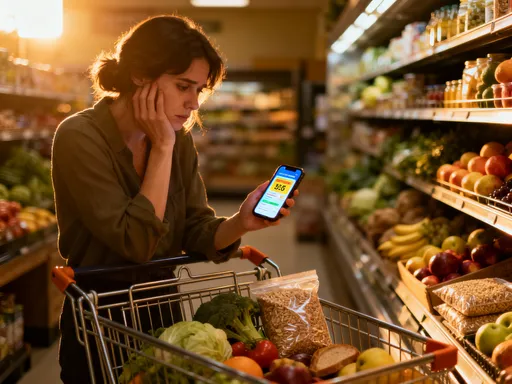
Let’s be honest—how many times have you walked into the grocery store with the best of intentions, only to leave with a cart full of things you didn’t really plan to buy? I’ve done it more times than I can count. You promise yourself this week will be different: more salads, more vegetables, more home-cooked meals. But then life happens. You’re tired after picking up the kids, you haven’t eaten since lunch, and suddenly that bag of chips and frozen pizza look like the only things standing between you and a meltdown—yours or someone else’s.
That’s not weakness. That’s human. And it’s exactly how the system is designed to work. Grocery stores know when we’re most vulnerable—late afternoon, after work, when our energy is low and our brains are fried. They place sugary snacks and processed foods at eye level, near the checkout, even at the end of aisles. These aren’t random choices. They’re psychological nudges meant to trigger impulse buys. And when you’re already dealing with decision fatigue from a long day, those nudges work.
But here’s what I’ve learned: willpower alone isn’t enough to overcome this. No matter how strong your intentions are on Sunday night, they don’t stand a chance on a Wednesday evening when you’re hungry, stressed, and trying to get dinner on the table before someone starts crying. The problem isn’t you. It’s the environment. And for years, I kept blaming myself for failing, when really, I was just fighting an uphill battle with no real strategy.
Then I started asking a different question: What if I didn’t have to rely on willpower at all? What if, instead of trying to be stronger, I could make the healthy choice the easier choice? That’s when I began looking at technology not as a distraction, but as a quiet ally in my daily routine.
From Savings to Self-Control: How Coupon Apps Became My Secret Weapon
I used to think coupon apps were just for bargain hunters—people who clipped paper coupons and stood in long lines for deals. But the new generation of digital coupon tools is different. They’re smarter, more personalized, and surprisingly supportive of healthy living. I didn’t realize this until I downloaded one on a whim, just to save a few dollars on toilet paper. But then something unexpected happened: the app started showing me discounts on things like organic apples, whole wheat bread, and Greek yogurt—foods I actually wanted to eat but usually skipped because they felt too expensive.
That’s when it hit me: this wasn’t just about saving money. It was about being guided toward better choices without feeling like I was being lectured. The app wasn’t shaming me for buying cookies. It was quietly saying, “Hey, you like granola? There’s a deal on the kind with less sugar and more fiber.” And because it knew my shopping history, it learned what I liked and what my family eats. Over time, the recommendations got better—more aligned with my real life, not some idealized version of it.
What makes these apps so effective is the way they use technology to reduce friction. Instead of forcing me to research healthy options or compare prices, the app does it for me. It surfaces deals on nutritious items at the exact moment I’m most likely to act—when I’m planning my list or walking through the store. It turns decision-making into something effortless. And because I’m saving money, I don’t feel like I’m sacrificing. I feel like I’m winning.
I remember one week, I saw a $2 discount on a brand of frozen broccoli I’d never tried. Normally, I’d skip it. But with the coupon, it felt like a no-brainer. I bought it, roasted it with olive oil and garlic, and my kids actually asked for seconds. That small win made me want to try more. The app wasn’t changing my diet by force. It was inviting me, gently, to explore healthier options—without risk, without guilt, and with real savings.
Linking Budget and Health: Why Saving Money Feels Like Winning Twice
One of the biggest myths about eating healthy is that it costs too much. And yes, some organic or specialty items can be pricey. But here’s the truth: many nutritious foods—like beans, oats, frozen vegetables, and eggs—are actually affordable. The problem is that we don’t always see them as the exciting or convenient option. We reach for the flashy packaged snacks because they’re marketed well, or because they’re on sale. But what if the healthy choice was the one on sale?
That’s exactly what smart coupon apps are starting to do. They’re not just promoting junk food anymore. More and more, grocery chains and brands are offering digital discounts on whole grains, lean proteins, and fresh produce. When I see a deal on brown rice or canned lentils, it stops feeling like a compromise and starts feeling like a smart move. I’m feeding my family well, and I’m doing it for less.
And that dual benefit—health and savings—creates a powerful psychological boost. It’s not just about the $1.50 I saved on apples. It’s about how that small win reinforces my identity. I start to see myself as someone who makes thoughtful choices, who cares about both my family’s health and our budget. That kind of self-image is worth more than any discount.
I’ve also noticed that when I save money on healthy items, I feel less guilty about treating myself occasionally. Because I’ve been “good” with my choices, I don’t stress when I buy a small dessert or a specialty cheese. The balance feels natural, not forced. And that’s key—sustainability. Diets fail when they feel like punishment. But when eating well feels like a smart, rewarding choice, it sticks.
Plus, saving money on groceries means I have a little extra for other things—like a weekend outing with the kids or a quiet night out with my partner. It’s not just about food. It’s about peace of mind. And that, to me, is the real victory.
Planning Smarter: How Tech Turns My Fridge into a Game Plan
Meal planning used to stress me out. I’d spend hours on Sunday trying to map out five balanced dinners, only to abandon the plan by Tuesday because something came up. Or I’d forget to check what I already had at home and end up buying duplicates. Wasted food, wasted money, wasted effort. It felt like one more thing on my to-do list that I wasn’t doing well.
But now, I don’t plan meals the old way. Instead, I let the app help me build a flexible game plan. Every week, I open the coupon section and scan what’s on offer—especially the healthy items. I look for deals on proteins, vegetables, and grains, then build meals around those. If chicken breasts are on sale, I’ll plan for stir-fry or baked chicken. If there’s a discount on sweet potatoes, I’ll roast a big batch and use them in bowls, soups, or as a side.
This approach takes the pressure off. I’m not trying to follow a rigid menu. I’m working with what’s affordable and available. And because the deals are time-limited, it gives me a little nudge to act—without feeling overwhelmed. It’s like the app is saying, “Here’s your opportunity. What do you want to make of it?”
The best part? I waste less food. Because I’m buying with a purpose, I use what I buy. And when I see that I already have three types of beans in the pantry, I don’t buy more. The app even lets me save digital lists and check off items as I shop, so I stay focused. No more wandering the aisles, staring blankly at shelves, wondering what to make for dinner.
My family has noticed the difference too. There’s less last-minute scrambling, fewer “we have nothing to eat” moments. And because the meals are built around real ingredients, they’re more satisfying. My kids complain less about “healthy food” because it actually tastes good—especially when it’s cooked with care and not out of desperation at 6 p.m.
Family Wins: Getting Everyone on Board Without the Battle
Let’s face it—eating healthy isn’t just about me. It’s about the whole household. And getting everyone on the same page can feel like a full-time job. I used to dread the negotiation: “Can I have soda?” “Can we order pizza?” “Why is there no snack that tastes good?” I didn’t want to be the food police. But I also didn’t want to give in every time.
What changed was bringing the whole family into the process—not with lectures, but with savings. I started showing my kids the app, letting them see the deals. “Look,” I’d say, “we can get yogurt with real fruit for half price this week. Want to try the peach one?” Or, “There’s a deal on those whole grain crackers you like. Let’s grab a box.” Suddenly, healthy choices felt exciting, not restrictive.
And because we were saving money, it became a family win. We’d celebrate small victories: “We spent $20 less this week!” “We ate vegetables with dinner three times!” It wasn’t about perfection. It was about progress. And when the whole family feels like they’re part of the solution, resistance fades.
My partner noticed too. He used to think “eating healthy” meant bland food and constant sacrifice. But when he saw that we could enjoy flavorful meals—like herb-roasted chicken, quinoa salad, or black bean tacos—without spending more, his attitude shifted. He even started suggesting recipes based on what was on sale. That kind of buy-in makes all the difference.
Now, grocery shopping feels more like a team effort. We talk about what we want to try, what deals we saw, and what we’re excited to eat. It’s not perfect every week, but it’s better. And that’s enough.
Small Tech, Big Shifts: Building Confidence One Healthy Choice at a Time
One of the most surprising benefits of using these apps has been the boost in my confidence. I don’t mean confidence in cooking or shopping—I mean confidence in myself. Every time I choose the discounted bag of spinach over the bag of chips, every time I cook a meal from scratch using sale items, I’m proving to myself that I can make good choices. Not because I’m perfect, but because I’ve set myself up to succeed.
These small wins add up. They create a ripple effect. When I feel good about my food choices, I’m more likely to take care of other parts of my health—like moving my body, drinking more water, or going to bed on time. It’s not that I’ve become a wellness guru. It’s that I’ve built a foundation of small, sustainable habits that make me feel capable and in control.
And that’s powerful. So many of us struggle with self-doubt, especially when it comes to health and weight. We try a diet, fail, and tell ourselves we’re not strong enough. But what if the problem wasn’t us? What if we just needed a better system? That’s what these apps gave me—a system that supports me instead of setting me up to fail.
I’m not dependent on the app. I could go back to old habits if I wanted to. But I don’t want to. Because now I know what it feels like to make choices that honor both my health and my budget. And once you’ve tasted that kind of freedom, it’s hard to go back.
Beyond the App: Making Tech Work for Your Life, Not Against It
Technology should serve us, not control us. That’s a lesson I’ve had to learn the hard way—with social media, with notifications, with too many apps vying for my attention. But the right tools, used mindfully, can make life easier, not more complicated. The key is to stay in charge.
With coupon apps, that means setting clear preferences—like choosing to see more deals on whole grains, lean proteins, and fresh produce. It means reviewing my shopping list before I go to the store, so I’m not tempted by random discounts on things I don’t need. And it means knowing when to log off—when the planning is done, and it’s time to live.
The goal isn’t to become a digital coupon expert. It’s to use the tool until it’s no longer needed—that moment when healthy, budget-friendly choices become second nature. And for me, that’s starting to happen. I still use the app, but less out of necessity and more out of habit. It’s become part of my rhythm, like checking the weather or setting a reminder.
What I love most is how quiet the transformation has been. There was no dramatic overhaul, no strict diet, no guilt. Just small, consistent choices, gently supported by technology. And over time, those choices added up to a healthier, calmer, more confident version of myself.
If you’ve ever said, “I’ll eat healthy tomorrow,” I get it. I’ve lived that cycle. But what if tomorrow didn’t have to wait? What if, today, you could make the healthy choice the easy choice? It’s not about being perfect. It’s about building a life where taking care of yourself feels natural, affordable, and completely within reach. And sometimes, all it takes is the right app to help you get there.