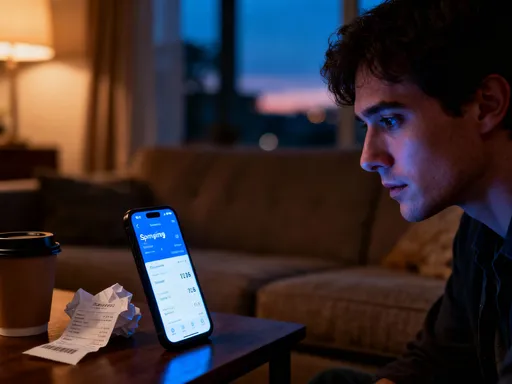
I don’t need another app — until this one helped my family actually stay close
You know that moment when someone you love is late, and your mind races—Are they okay? Did something happen? We’ve all been there. What if a simple app could ease that worry, not by tracking, but by bringing your family closer, even as life pulls you apart? It’s not about surveillance—it’s about connection, trust, and peace of mind. And yes, even if tech isn’t your thing, this one might just fit right into your life.
We’re busy, but not disconnected
Life moves fast. Mornings begin with packed lunches, school drop-offs, and last-minute permission slips. Workdays blur into evening pickups, soccer practice, grocery runs, and bedtime routines that stretch far past 9 p.m. We’re doing everything we can to keep up, and yet, somehow, the people we love most feel further away than ever. It’s not that we don’t care—we care deeply. But our care often shows up as a quick text: “Are you home yet?” or “Did you eat?” followed by a relieved “Okay, good” when a reply finally comes through.
I remember one rainy Tuesday last fall. My daughter, Lily, had a late rehearsal for her school play. I knew she was supposed to be back by 6:30, but by 7:15, my phone was still silent. No texts, no calls. My stomach tightened. Was her phone dead? Did the bus break down? Had she forgotten to charge her phone again? I wanted to call her director, but I didn’t want to seem overbearing. I didn’t want to be that mom. So I paced the kitchen, reheating her dinner for the third time, my imagination running through every possible scenario. When she finally walked in, drenched and apologetic, I hugged her so tightly she laughed. “Mom, I’m fine!” she said. But inside, I wasn’t laughing. I was shaken by how powerless I’d felt.
That night, I realized something: we’re all just one missed message away from anxiety. And it’s not just about kids. My mom lives two hours away, and every time she drives to visit, I check my phone every 20 minutes, waiting for that “Made it” text. My husband travels for work, and though he’s always careful, I still breathe easier when I see his flight landed safely. We’re not disconnected—we’re overscheduled, overthinking, and emotionally stretched thin. We’re trying to love well in a world that doesn’t make it easy.
That’s when I started looking for something better than constant texting. Not because I wanted to monitor anyone, but because I wanted peace. Not control—but connection. And that’s how I found a little app that changed everything.
How one app changed our “where are you?” texts into real moments of care
At first, I’ll admit, I was skeptical. Another app? Another notification? Another thing to learn? My phone was already cluttered with tools I barely used—fitness trackers I abandoned, budgeting apps I forgot to log into, meditation reminders I silenced. But this one was different. It wasn’t about productivity or self-improvement. It was about family. And it didn’t demand attention—it offered reassurance.
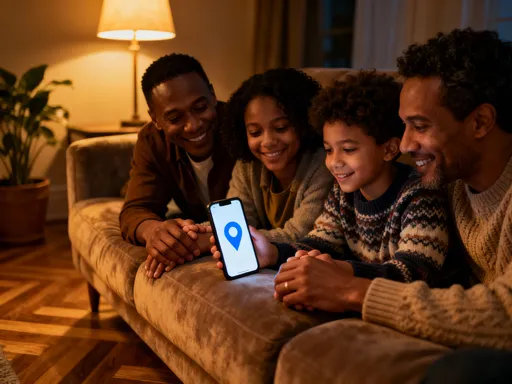
The first time I used it, I invited my husband and Lily to join our family circle. I explained it simply: “It’s not about watching each other. It’s about knowing we’re safe.” We agreed to share our location only during certain times—like when someone was driving home late, or when Lily had a rehearsal after dark. No all-day tracking. No pressure. Just a quiet way to say, “I’m thinking of you.”
The change was almost immediate. One evening, Lily stayed late at a friend’s house studying for finals. Instead of me texting “Where are you?” every 15 minutes, I opened the app and saw a little green dot showing she was still at Emma’s. I didn’t need to interrupt her. I didn’t need to worry. And when she started walking home, a gentle alert told me she was on her way. When she walked in, I said, “Saw you were coming—how was studying?” She smiled. “You didn’t text me ten times. Thanks, Mom.” We both laughed. But in that moment, I realized something deeper: the app hadn’t replaced our connection—it had protected it. Instead of nagging, I could be present.
And it wasn’t just for the kids. When my husband had a delayed flight, I didn’t spend the night refreshing airline apps. I saw his location update as he boarded, then landed. No guessing. No anxiety. Just knowing. And when my mom drove up for Sunday dinner, I saw her cross the county line and started warming the oven. No “How far are you?” calls. Just quiet preparation. The app didn’t make us closer—it made it easier to act like we were close, even when we were miles apart.
“I’m not tech-savvy” — Why ease of use matters more than features
If I’m honest, I’m not the most tech-confident person. I still get confused by cloud storage, I accidentally mute group chats, and I’ve been known to panic when my phone updates. So when I first downloaded this app, I braced myself for confusion. I expected complicated settings, tiny icons, and a tutorial that would take longer than my commute.
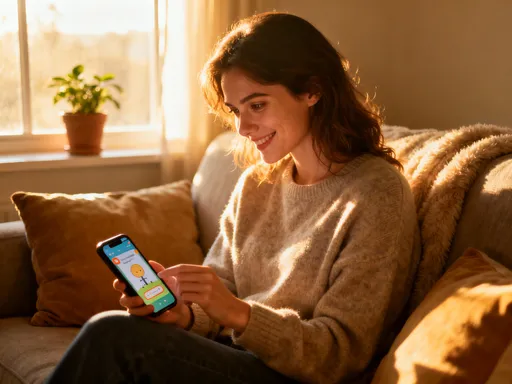
But it was shockingly simple. The first screen asked: “Who do you want to stay connected with?” I tapped “Add Family.” Then it walked me through sending invites—just like sharing a photo album. No passwords, no setup codes. My mom, who still uses her phone mostly for calls and texts, got it on her first try. “Oh, it’s like a little map of my people,” she said when she opened it. “I like that.”
That’s when I realized: the best technology doesn’t feel like technology. It feels like help. The app used big, clear buttons. “Share My Location” was front and center. “Stop Sharing” was just as easy to find. No hidden menus. No confusing jargon. It didn’t try to do everything—just the one thing it was meant to do, and it did it well. Even Lily, who’s picky about apps, said, “This one’s not annoying.” High praise from a 15-year-old.
And that simplicity made all the difference. Because if something feels like work, we won’t use it. But if it feels like care, we’ll keep coming back. I didn’t have to beg my family to try it. I just showed them how it worked, and they saw the value right away. My husband said, “It’s like a digital hug. You don’t need it all the time, but it’s nice to know it’s there.”
From suspicion to trust — How shared safety builds stronger bonds
I’ll admit, when I first mentioned the idea, Lily was hesitant. “Wait, you want to track me?” she said, her voice rising. “No,” I said quickly. “I want to know you’re safe. There’s a difference.” We talked about boundaries. We agreed she wouldn’t have to share her location during school or at friends’ houses unless she wanted to. It was her choice. And that made all the difference.
Over time, something shifted. Instead of feeling watched, Lily started using the app herself. One afternoon, she messaged, “Mom, I’m heading home. I’ll share my location so you don’t worry.” My heart nearly burst. It wasn’t me asking—it was her offering. That small act felt like a gift. She wasn’t being monitored—she was being cared for, and she wanted to return that care.
And it wasn’t just her. My husband began sharing his location when he went on long drives. “Saw you got home,” I texted him one night. “Everything okay?” He replied, “Yeah, just tired. Thanks for checking.” That tiny exchange—so simple, so human—never would’ve happened without the quiet awareness the app provided. It wasn’t about suspicion. It was about showing up.
Trust isn’t built by watching someone every second. It’s built by knowing they’ll be there when it matters. And when everyone in the family chooses to share, it becomes a promise: We look out for each other. It’s not control. It’s commitment. It’s not surveillance. It’s solidarity.
Expanding your circle without losing peace of mind
As our kids grow, their worlds expand. New friends, new activities, new independence. And while we want them to explore and grow, we also want them to be safe. That balance isn’t easy. Saying “Be careful” only goes so far. But with this app, we’ve found a way to support their freedom while keeping a quiet eye on their safety.
Lily recently started going to a new coffee shop downtown with her friends on weekends. It’s a safe area, but it’s new to me. Instead of asking her ten questions every time, I now know she’s there when she shares her location. And when she leaves, I get a gentle heads-up. It’s not about restricting her—it’s about empowering her. She knows I trust her. And I know she’s okay.
But it’s not just for teens. As adults, we’re also building new connections. My friend Susan started dating again after her divorce. She’s careful, but she wanted a way to let her daughter know she’d arrived safely after dates. She set up a private group with just her and her daughter. “It’s not because I’m scared,” she told me. “It’s because I know it helps her sleep better.” That’s the heart of it—peace of mind, for everyone.
Even my mom joined a new book club that meets across town. She shares her location during the drive there and back. “I like knowing you can see I made it,” she said. “It makes me feel connected, not controlled.” That’s the difference. When safety is shared, it becomes love in action.
Making it work for your family — Practical steps to start gently
If you’re thinking about trying something like this, I’d say: start small. You don’t need to set up every feature on day one. Begin with one simple step. Maybe it’s sharing your location during a long drive. Or setting up a check-in reminder for your teen after school. Or creating a “home safe” alert that notifies you when someone arrives.
First, talk about it. Sit down with your family and say, “I’ve found something that helps me worry a little less. Can we try it together?” Let everyone share their feelings. Some might be excited. Others might be hesitant. That’s okay. This only works if everyone feels comfortable.
Set clear boundaries. Decide when and how you’ll use it. Maybe it’s only during travel, or after dark, or on busy days. Let your kids have control—they’re more likely to use it if they feel ownership. And remember: it’s not about constant updates. It’s about meaningful moments of care.
Try it for a week. See how it feels. Did it reduce stress? Did it open up conversations? Did it help you feel more connected? If yes, keep going. If not, adjust. This isn’t about perfection—it’s about progress. And the most important part isn’t the app. It’s the conversation you have before you even download it.
More than an app — Building a culture of care in everyday life
Here’s what I’ve learned: the real magic isn’t in the technology. It’s in what the technology helps us remember. It’s a nudge to care. A quiet reminder that we’re not alone. A digital whisper that says, “You matter to me.”
We’ll never eliminate worry. That’s part of loving someone. But we can turn worry into action. We can replace silence with connection. We can trade anxiety for assurance. And in doing so, we build something deeper—a family culture where care is visible, where safety is shared, and where love shows up in small, consistent ways.
This app didn’t fix everything. We still have busy days, missed calls, and moments of stress. But now, we also have a tool that helps us breathe a little easier. That lets us say, without words, “I’m here. I’m thinking of you. You’re safe with me.”
And maybe, just maybe, that’s enough. Not to control life, but to embrace it—with less fear, more trust, and a whole lot more love. Because at the end of the day, that’s what we all want: to know we’re not alone, and that someone is always waiting, watching, and caring—right there on the screen, and in our hearts.