From Hassle to Harmony: How Smart Return Tech Gave Me My Time Back
Life used to pause every time I needed to return a shopping mistake—packing boxes, printing labels, rushing to the post office before closing. I’d stress over deadlines, lost receipts, and whether the item would even be accepted. It felt like a penalty for trying something new. But lately, something’s changed. Returns don’t make me sigh anymore. In fact, they barely register. The process has become so quiet, so effortless, that I hardly notice it happening. That shift didn’t come from willpower—it came from technology working quietly behind the scenes, turning a daily frustration into a seamless moment of control.
The Moment That Changed Everything: A Rainy Evening and a Wrong Size Sweater
It was one of those gray, drizzly evenings where the light fades too early and the house feels too quiet. I was folding laundry when I pulled out the sweater I’d ordered online—a soft cashmere blend in a warm caramel tone. I’d been so excited to wear it, picturing it with my favorite jeans and boots. But when I tried it on, it was too tight across the shoulders. Not a little snug—unwearable. I sighed, tossing it onto the growing pile of ‘almost right’ clothes that never quite made it into my wardrobe.
In the past, that moment would’ve kicked off a familiar cycle of guilt and frustration. I’d dig for the receipt, check the return window, and then scramble to print a label. If I didn’t act fast, the return window would close. I could already feel the mental weight of it: another errand I didn’t have time for, another thing I’d probably put off until it was too late. I’d end up keeping the sweater, shoving it into the back of my closet, and telling myself I’d ‘wear it someday.’
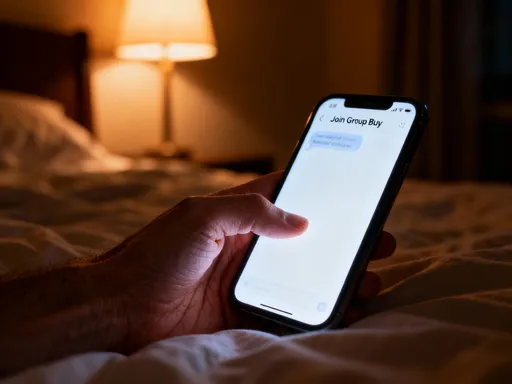
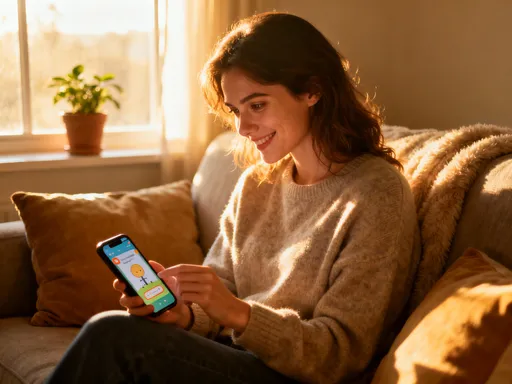
But this time, something different happened. As I stood there holding the sweater, my phone buzzed gently on the kitchen counter. I glanced over and saw a notification from the retailer: “We noticed this item hasn’t been worn. Want to return it? We’ll handle the rest.” No panic. No deadline countdown. Just a simple question, like a friend checking in. I tapped ‘Yes,’ and within seconds, a return label was generated, and a pickup was scheduled for the next morning. That was it. I didn’t have to print anything, box anything, or go anywhere. The sweater would be collected from my front porch, no effort required.
That moment didn’t just solve a small problem—it shifted something inside me. For the first time, returning something felt like an act of self-care, not a chore. It wasn’t about admitting I’d made a mistake. It was about reclaiming my space, my time, and my peace. And it made me wonder: how many other little stresses in my day could quietly disappear if technology actually worked for me, instead of the other way around?
Why Returns Used to Feel Like a Chore (And What That Cost Us)
Let’s be honest—returns used to be a full-time job in disguise. Remember those weekends when you’d promise yourself you’d ‘finally deal with the returns pile’? You’d stack up the boxes by the door, print out labels the night before, and then spend half a day driving to drop them off. And if you missed the cutoff, you’d have to start all over again. It wasn’t just inconvenient; it was emotionally draining. Every return felt like a tiny failure, a reminder that you hadn’t gotten it right the first time.
I remember one winter, I bought three pairs of winter boots for my daughter. One was too small, one was too big, and the third—well, she hated the color. I kept them all for months because I couldn’t face the logistics. The box sat in my closet like a silent accusation. Every time I opened the door, I’d see it and feel a little stab of guilt. I’d tell myself, ‘I’ll do it this weekend,’ but the weekends filled up with school events, grocery runs, and family time. The returns became another item on a never-ending to-do list—one I kept failing.
And I wasn’t alone. So many of us have abandoned returns just to avoid the hassle. We’ve kept clothes we don’t wear, appliances we don’t use, and gifts that don’t fit—all because the process of sending them back felt like more trouble than it was worth. That’s the hidden cost of traditional returns: not just the clutter, but the mental load. It’s the constant low-grade stress of knowing there’s something you should do, but don’t have the time or energy to do it.
What’s worse, that stress often spills into other areas of life. I’ve missed family dinners because I had to dash to the post office. I’ve snapped at my kids because I was stressed about a return deadline. I’ve even stopped shopping online altogether during busy seasons, not because I didn’t want to, but because I knew the returns would pile up and haunt me later. That’s how small inconveniences become big emotional burdens. They don’t just take up time—they take up space in our minds, leaving less room for the things that really matter.
And let’s not forget the guilt. There’s a quiet shame in holding onto things we don’t use, especially when we know someone else could benefit from them. I’d look at that sweater in my closet and think, ‘Someone else could be warm in this right now.’ But the barrier to doing the right thing—the time, the effort, the logistics—was just too high. It wasn’t laziness. It was exhaustion. The system wasn’t designed for real life. It was designed for perfection, for people who have endless time and perfect organization. And none of us are that.
The Quiet Revolution: How Technology is Redefining Return Experiences
What changed wasn’t me. It was the system. Over the past few years, a quiet revolution has been unfolding behind the scenes—one that’s redefining how we interact with the things we buy. It’s not about flashy gadgets or futuristic interfaces. It’s about making the invisible parts of shopping work better for us. And at the heart of it is return technology that’s smarter, kinder, and more intuitive than ever before.
Think of it like this: your online shopping history isn’t just a list of purchases. It’s a story. It knows what you bought, when you bought it, and whether you’ve worn it or used it. And now, thanks to AI-driven tracking, it can gently check in when something isn’t working out. No guilt. No pressure. Just a simple, ‘Hey, we noticed you haven’t worn that sweater. Want to send it back?’ It’s not surveillance—it’s support.
The magic happens in the background. When you agree to return, the system automatically verifies your purchase, confirms the item is eligible, and generates a return label—no digging for emails, no searching for order numbers. Some platforms even offer instant refunds the moment you schedule the pickup, so you’re not left waiting for weeks to get your money back. And the best part? Many now offer same-day or next-day pickup, so you don’t have to be home all day waiting for a driver.
It’s not just about convenience. It’s about dignity. It’s about creating a system that trusts you. In the past, returns felt like an interrogation—proof of purchase, condition checks, strict timelines. Now, it feels like a partnership. The technology assumes good intent. It knows most of us aren’t trying to game the system—we just want to find what works for our lives. And when companies treat us that way, it changes how we feel about shopping, about ourselves, and about the brands we support.
And the ripple effects are real. When returns are easy, we’re more likely to give things a try. We’ll order two sizes, knowing we can send one back without stress. We’ll experiment with new brands, new styles, new solutions—because the safety net is there. That’s not just good for us. It’s good for small businesses, for innovation, for the entire economy. It creates a healthier, more flexible relationship between people and products—one where choice isn’t punished, but protected.
Autonomy in Action: Taking Back Control Without Lifting a Finger
Here’s what I’ve realized: effortless returns aren’t just about saving time. They’re about reclaiming autonomy. They give us the freedom to make decisions without fear of consequence. I used to hesitate before clicking ‘buy’ on anything that wasn’t 100% certain. Now, I click with confidence, knowing that if it doesn’t work, it won’t cost me peace of mind.
Take my recent experiment with eco-friendly cleaning products. I’d been curious about switching, but I didn’t want to invest in a full set without trying them. In the past, I might’ve skipped it, worried that if I didn’t like them, I’d be stuck with bottles I’d never use. This time, I ordered a starter kit. When I found the floor cleaner too strong for my hardwood, I tapped a button, and it was picked up two hours later. No guilt. No clutter. Just a clean trial, and a clean exit.
That freedom extends to fashion, too. I’ve started ordering multiple sizes of dresses for special events, knowing I can return what doesn’t fit. I’ve even begun supporting small, independent designers—brands I love but can’t try on in person. The ease of returns makes it feel safe to take that risk. And that’s powerful. It means I’m not limited by what’s in stock at my local store. My wardrobe isn’t shaped by geography or availability. It’s shaped by what makes me feel good.
But the real shift is internal. I feel more in control. I’m not holding onto things out of obligation. I’m not letting clutter build up because I’m too tired to deal with it. I’m making space—physically and emotionally—for what matters. And that’s not just about possessions. It’s about mindset. When the little things work smoothly, it builds trust in yourself. You start to believe that you can handle life’s small challenges. And that confidence spills over into everything else.
My daughter noticed it, too. She asked me the other day, ‘How come you’re not stressed about returns anymore?’ I told her, ‘Because I don’t have to be.’ And that’s the gift—not just the time saved, but the calm it brings. It’s the quiet knowledge that I’m supported, that the system is on my side. And that makes all the difference.
More Than Convenience: The Emotional Weight of Small Freedoms
We talk a lot about convenience, but we don’t always talk about what it really gives us: emotional space. When tiny tasks stop weighing us down, we carry less tension in our bodies. We have more mental bandwidth for the people we love, the dreams we’re chasing, the quiet moments that make life meaningful.
I used to dread the end of a shopping spree. The joy of clicking ‘buy’ would be quickly replaced by the anxiety of potential returns. Now, that anxiety is gone. I can enjoy the moment of purchase without the shadow of future hassle. And that changes how I relate to shopping. It’s no longer a gamble. It’s an exploration.
I’ve started to notice other shifts, too. I’m less stressed overall. I make decisions faster. I trust my instincts more. There’s a lightness that comes from knowing I’m not trapped by my choices. If something doesn’t work, I can let it go—easily, gracefully, without drama. That’s a kind of self-trust that’s hard to teach but easy to feel.
And the time I’ve reclaimed? It’s not just ‘free time.’ It’s time I’ve spent reading to my daughter, calling an old friend, walking in the park. It’s time that used to be eaten up by errands that felt necessary but never urgent. Now, I can choose how to spend it. And that’s true freedom.
What’s beautiful is that this isn’t about grand gestures. It’s about the accumulation of small wins. The notification that says, ‘We’ve got this,’ the pickup that happens while you’re making dinner, the refund that lands before you’ve even missed the item. These are tiny moments of care, built into the fabric of daily life. And together, they create a sense of being seen, supported, and respected.
That’s the real magic of smart return tech. It’s not just making returns easier. It’s making life easier. It’s saying, ‘You matter. Your time matters. Your peace matters.’ And when technology speaks that language, it stops feeling like a tool and starts feeling like a quiet ally.
Making It Work for You: Simple Steps to Unlock Smarter Returns
You don’t need to be a tech expert to benefit from this shift. In fact, the best systems are the ones you barely notice. But a few simple steps can help you make the most of what’s available.
First, pay attention to where you shop. Look for retailers that offer mobile-initiated returns, automatic approvals, and pickup services. These aren’t luxuries—they’re signs of a customer-first mindset. If a brand makes returns easy, they’re more likely to value your experience in other ways, too.
Next, turn on notifications for purchase follow-ups. This is where the AI check-in happens—when the system gently asks if you’re using an item. You can always say no, but having the option is powerful. It’s like having a personal assistant who helps you declutter without judgment.
Also, check your return settings. Some platforms let you pre-approve returns for certain categories, like clothing or accessories. That means if you decide to send something back, the process starts automatically. No waiting for approval. No back-and-forth emails. It just happens.
And don’t overlook carrier options. Some delivery services now offer same-day or next-day return pickups, often at no extra cost. Choosing one of these can turn a multi-step chore into a one-tap action. It’s a small switch with a big impact.
Finally, give yourself permission to use these tools. Don’t feel guilty for returning something. You’re not wasting time or resources—you’re using a system designed to support you. Every return you make easily is a step toward a more intentional, clutter-free life. And that’s something to celebrate.
The Bigger Picture: Technology That Serves You, Not the Other Way Around
At its best, technology shouldn’t demand our attention—it should dissolve into the background, working quietly to make life smoother. The rise of smart return systems is a perfect example of that philosophy in action. It’s not about selling us more gadgets. It’s about removing friction from the things we already do every day.
And this is just the beginning. If we can make returns this simple, what else could be reimagined? Imagine if bill payments, school forms, or prescription refills worked with the same ease. Imagine a world where the systems in our lives assumed we were doing our best—and supported us accordingly.
That’s the future I want. One where technology doesn’t add to our load, but lifts it. Where it doesn’t track us for profit, but checks in for care. Where it doesn’t complicate, but clarifies. And where, in the quiet moments, we can feel a little more in control, a little more at peace, and a lot more like ourselves.
So the next time you get that gentle notification—‘Want to return this?’—don’t see it as a reminder of a mistake. See it as a gift. A small, quiet act of kindness from a system that finally understands what we need. Not perfection. Not pressure. Just support. And in that support, we find something rare and beautiful: the freedom to live, unburdened, exactly as we are.