From Overlooked to Optimized: How Smart Security Quietly Transformed Our Living Space
Living in a world where chaos often feels just one missed deadline or forgotten chore away, I used to think of home as just a place to rest. But everything changed when I stopped seeing smart security devices as mere cameras and alarms. What if they could do more than watch? What if they helped organize, connect, and even breathe better life into our most lived-in spaces? That’s when I discovered their hidden superpower—not just safety, but smarter, calmer living. It wasn’t about fear or paranoia. It was about peace, presence, and finally feeling in control of the one place that should always feel like sanctuary.
The Moment Everything Shifted: When Safety Met Everyday Life
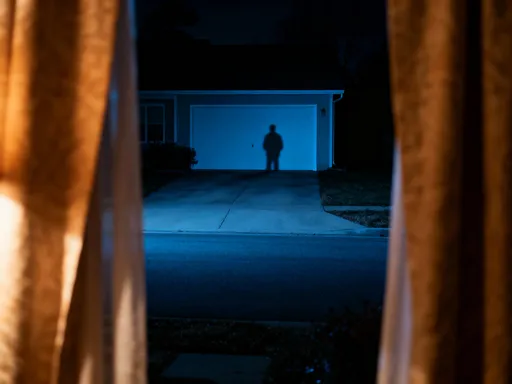
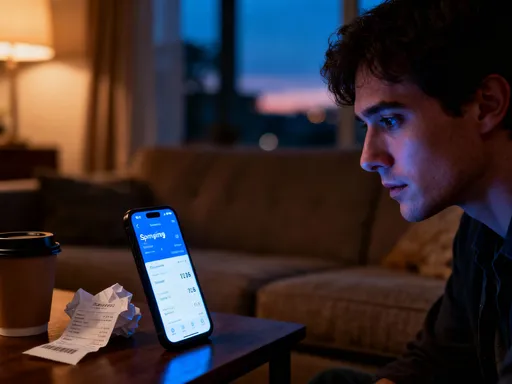
I remember the night everything changed. My kids were sprawled across the living room floor, half-finished snacks on the coffee table, backpacks forgotten by the door. My husband was in the garage, tinkering with something long after dark. I was upstairs, folding laundry and mentally planning tomorrow’s to-do list, when my phone buzzed. A quiet notification: “Garage door still open.”
It wasn’t an alert about an intruder. No flashing red warning. Just a calm, almost gentle reminder. But that tiny message hit me like a revelation. The smart camera I’d installed “just in case” wasn’t only watching for danger—it was watching *us*. And it saw things I didn’t. That night, it saw what I missed: the door left open, the energy being wasted, the small window of risk we’d created without even realizing it.
More than that, it made me wonder—what else was it seeing? What patterns was it picking up that I was too busy, too distracted, or too tired to notice? I started looking at the app not just as a security tool, but as a kind of daily journal of our home life. Who came in first? When did the kids finally go to bed? Which rooms stayed dark and unused? Suddenly, my home wasn’t just a backdrop to our lives. It was becoming a participant. And that shift—from passive space to active partner—changed everything.
Beyond the Camera Lens: Seeing Your Home Differently
We’ve all been taught to think of security cameras as tools for catching what goes wrong. But here’s what no one tells you: they also show you what’s going *right*—and where it could go better. After that garage door moment, I began digging into the features I’d barely touched. Motion heatmaps. Activity logs. Room-by-room usage reports. These weren’t just for tech geeks or data nerds. They were like X-rays of our daily life.
One weekend, I pulled up the heatmap for our living room. And there it was—a bright red cluster in the far left corner, where the couch, side table, and floor lamp formed a cozy nook. The rest of the room? Cool blues and greens. Unused. Forgotten. We’d spent years arranging furniture based on what “looked nice,” but the data told a different story: this corner was where we actually lived. The TV was in the wrong place. The coffee table was too big. The rug didn’t reach where our feet naturally landed.
So we rearranged. Not based on a Pinterest board, but on how we *really* used the space. We moved the TV, brought in a smaller table, added a plush ottoman. And suddenly, the room felt more connected, more intentional. It wasn’t just prettier—it felt *easier*. The camera didn’t give an opinion. It didn’t judge. It just showed us the truth. And sometimes, that’s exactly what we need to make a change.
This isn’t just about furniture. It’s about awareness. When you see how your family moves through the house—the paths they take, the spots they linger, the doors they forget to close—you start making decisions that fit real life, not ideals. That’s the quiet magic of smart security: it doesn’t tell you what to do. It shows you what’s already happening.
Lighting, Timing, and Tiny Triumphs
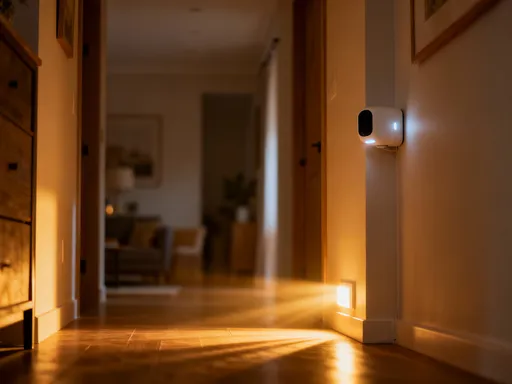
My mom came to stay with us last winter. She’s independent, sharp as a tack, but she’s in her late 70s, and I noticed something small but telling: she’d pause at the top of the stairs, one hand on the railing, the other reaching for the wall switch. It wasn’t fear. It was caution. The hallway was dark, and she didn’t want to misstep.
That’s when I remembered our smart floodlight was triggered by motion. But it was only set for the backyard. What if we expanded it? I adjusted the settings so that motion near the stairs would turn on the hallway light for five minutes. No switches. No fumbling. Just light when she needed it.
The first time it happened, she didn’t even realize it was the system. “Oh, someone must’ve left the light on,” she said, smiling. But I saw the clip later—there she was, walking down in her slippers, the light blooming softly ahead of her. No hesitation. No reaching. Just confidence.
This wasn’t just about convenience. It was about dignity. About making a home that supports you, especially when you don’t ask for help. And it didn’t stop there. We started syncing lights with activity patterns. If the kitchen light turned on after 9 p.m., the system would gently brighten the path to the bathroom. If no motion was detected by 11, it would dim the living room and lock the front door.
These aren’t flashy features. You won’t see them in a product demo. But they’re the kind of quiet wins that add up. They’re the difference between a house that waits for you to fix it and one that’s already a step ahead. And for someone like my mom—or anyone who just wants to move through their home without thinking—those small moments of ease are everything.
The Sound You Didn’t Know Was Speaking
I’ll admit it: I used to ignore the “glass break” alerts. One afternoon, my phone chimed with the warning. My heart jumped. I pulled up the video—only to see my ten-year-old daughter cleaning out a cabinet and accidentally dropping a glass jar. It shattered on the tile. No one was hurt. But the system had reacted instantly.
At first, I thought it was overkill. Then I realized something: that alert wasn’t just about broken glass. It was about sound. And sound tells stories. I started paying attention to the audio logs—not to spy, but to understand. When were the loudest moments? What kinds of noises triggered alerts? And how did they affect the rest of the house?
What I found surprised me. The kitchen was noisy between 4 and 5 p.m.—dishes clattering, music playing, kids arguing over snacks. And guess when my two-year-old’s nap was scheduled? Right in the middle of it. No wonder he was waking up crying. The system wasn’t just hearing danger. It was hearing stress.
So we made a change. We moved the loud chores to earlier in the day. We added a white noise machine in his room. And during that hour, we kept the kitchen as quiet as possible. The result? Longer naps. Calmer afternoons. Happier everyone.
It’s funny—when we think of smart home tech, we imagine it watching for danger. But sometimes, the most valuable thing it detects is *tension*. The raised voices. The sudden bangs. The silence that follows. By tuning into these audio patterns, we didn’t just make the house safer. We made it more peaceful. We learned to listen—not just to the alerts, but to what they were really telling us about our family’s rhythm.
From Alerts to Routines: Building a Smarter Flow
I used to dread the after-school rush. The moment the clock hit 3 p.m., my phone would light up: “Front door unlocked.” My stomach would tighten. Was it safe? Was someone else with them? Was the dog about to escape? It felt like another thing to worry about.
Then I had an idea: what if that alert wasn’t a warning—but a welcome? I set up a simple automation. When the front door unlocks between 2:45 and 3:15 p.m., and it’s a school day, the system triggers a sequence: the living room lights turn on, the thermostat adjusts to a cozy 72 degrees, and a soft chime plays—our “you’re home” sound.
Now, when the door opens, I don’t feel anxiety. I feel connection. The house greets them. And when I check the app later, I see the pattern: lights on, motion in the kitchen, backpacks dropped in the usual spots. It’s not surveillance. It’s reassurance.
This shift—from reactive to proactive—changed how we experience homecoming. Instead of rushing to fix things, the house is already doing it for us. The kids walk in to warmth and light. I get a quiet moment to breathe before joining them. And the whole transition from school to home feels smoother, gentler.
We’ve added more routines since then. When the last person leaves in the morning, the system locks the doors, turns off the lights, and arms the security mode. When motion is detected after 8 p.m. on weekends, the porch light stays on longer. These aren’t complicated rules. But they create a flow—a rhythm that matches our lives instead of fighting against them.
That’s the real power of smart security: it doesn’t just protect. It *anticipates*. It learns when we come and go, what we need, and how we like it. And over time, it becomes less like a gadget and more like a quiet, dependable member of the household.
Privacy Without the Paranoia
I’ll be honest—when I first installed cameras, I worried. Was I watching too much? Was I invading my family’s privacy? Would my kids feel like they were always being monitored? These weren’t silly concerns. They were real. And they mattered.
That’s why I took the time to learn about privacy settings. Most systems let you create “privacy zones”—areas the camera won’t record. We set ours to exclude bedrooms and bathrooms, of course. But we also added the dining table during dinner hours. Family time stays family time.
We also use mute schedules. From 8 to 9 p.m., the audio is off. No recordings. No alerts. Just quiet. And we talk about it—openly. My kids know where the cameras are, what they do, and why we have them. We’ve made it a conversation, not a secret.
The result? Trust. Not just in the technology, but in each other. My teenager doesn’t feel spied on. My husband doesn’t worry about being “caught” for leaving a light on. We’ve created boundaries, and the tech respects them. That balance—protection without intrusion—is what makes it sustainable.
Smart security isn’t about constant monitoring. It’s about *selective* awareness. It’s knowing you can check in when you need to, but also knowing you don’t have to. It’s having control—over your home, your data, your peace of mind. And that’s a kind of freedom that’s hard to put a price on.
A Home That Grows With You
When I first bought our smart security system, I thought I was buying safety. And I was. But I didn’t realize I was also buying insight, comfort, and a deeper connection to my home. It didn’t replace the care I give my family. It multiplied it. It helped me see what I couldn’t, act before I had to, and rest when I needed to.
Our home isn’t perfect. The kids still leave their shoes in the hallway. The dog still knocks over the recycling bin. But now, the house helps us manage the mess. It reminds us. It adjusts. It supports. And slowly, almost without noticing, life feels lighter.
What I love most is how it keeps learning. As our routines change, the system adapts. When my daughter started dance class on Thursdays, it noticed the new pickup pattern. When we started eating dinner later in the summer, it adjusted the lighting schedule. It’s not rigid. It’s responsive. Like a good partner, it pays attention and grows with us.
Technology doesn’t have to be cold or complicated. At its best, it’s warm. It’s helpful. It’s invisible until you need it—and then, it’s exactly what you hoped for. This isn’t about living in a futuristic house. It’s about living in a *kinder* one. One that sees you, knows you, and quietly makes space for you to just be.
So if you’ve been thinking about smart security—maybe because of safety, or curiosity, or that one time you drove ten minutes only to realize you left the garage door open—know this: it’s not just about protection. It’s about possibility. It’s about turning a house that watches into a home that cares. And honestly? That’s the kind of upgrade every family deserves.