How I Navigated Property Inheritance in Today’s Market – Real Tips That Worked
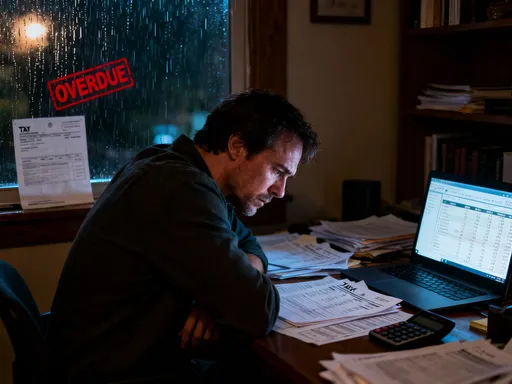
Inheriting property sounded like a win—until I faced tax traps, emotional stress, and a shifting real estate market. I didn’t know where to start: sell, hold, or rent? With prices fluctuating and rules changing, one wrong move could cost me everything. This is how I stayed calm, made smart choices, and protected what was passed down to me. What began as an overwhelming responsibility turned into a lesson in financial clarity, emotional balance, and strategic planning. The house I inherited wasn’t just bricks and mortar—it became a mirror reflecting my values, goals, and long-term vision for financial stability.
The Shock of Inheriting Property – More Than Just Keys
When the deed to my family home was handed to me, I felt a wave of mixed emotions—gratitude, grief, and confusion. I assumed inheriting property meant instant wealth, but the reality was far more complex. Ownership came with immediate responsibilities: legal filings, utility transfers, insurance updates, and the looming question of what to do next. I quickly realized that inheriting real estate isn’t a finish line—it’s the starting point of a financial journey that demands clarity and discipline. The emotional weight of the home, filled with decades of family memories, made objective decision-making difficult. Yet, the market didn’t care about sentiment. Prices in my area had peaked a year earlier and were now showing signs of softening. I faced a critical choice: act quickly and lock in value, or hold on in hopes of future appreciation.
What surprised me most was how fast time became a factor. Delaying decisions led to mounting costs—property taxes, maintenance, and potential depreciation. I consulted a financial advisor who reminded me that inherited assets don’t generate returns unless actively managed. Waiting without a plan was, in effect, a financial decision in itself—one that could erode value. I began to see the home not as a sentimental relic, but as a financial asset with risks and opportunities. This shift in perspective was crucial. Instead of asking, “How do I honor my family’s legacy?” I started asking, “How do I preserve and grow this asset responsibly?” That mental reset allowed me to evaluate options more objectively, focusing on data rather than emotion.
At the same time, I recognized that I wasn’t alone in this. Many inheritors face the same crossroads, often without adequate guidance. The legal process alone—probate, title transfer, and heir coordination—can take months. During that time, the property sits in limbo, vulnerable to damage, liability, or missed opportunities. I learned that acting early, even if it’s just gathering information, reduces uncertainty. I collected tax records, obtained a current market valuation, and reviewed zoning regulations. These steps didn’t require immediate action, but they built a foundation for informed decisions. The shock of inheritance faded as I replaced confusion with knowledge, and fear with strategy.
Understanding the Current Real Estate Landscape
One of the first things I did after accepting the inheritance was to assess the broader real estate environment. The market in 2023 and 2024 has been defined by volatility—rapid price increases followed by cooling trends, rising interest rates, and shifting buyer preferences. National averages can be misleading; what mattered most was the local market. I researched recent sales in my neighborhood, looked at days-on-market statistics, and analyzed inventory levels. I discovered that while home values in nearby urban centers were stabilizing, demand in suburban and family-oriented areas remained strong due to remote work trends and school quality.
Location still mattered, but new factors were shaping property value. Proximity to public transportation, access to high-speed internet, and energy efficiency were becoming increasingly important. I also looked at demographic trends—was the area attracting young families, retirees, or investors? Each group influences demand differently. For example, neighborhoods with good school districts tend to hold value better over time, even during downturns. I found that areas with planned infrastructure improvements, such as new transit lines or commercial developments, showed stronger long-term growth potential. This kind of insight helped me move beyond emotional attachment and evaluate the property’s true market position.
Another key insight was the rental market’s resilience. While home sales slowed in some regions, rental demand stayed firm. This suggested that holding the property as an investment might be viable, depending on local conditions. I compared average rental yields in my area with mortgage rates and maintenance estimates. In many cases, the numbers supported renting over selling—especially if property taxes were manageable and vacancy rates were low. But I also recognized that a strong rental market today doesn’t guarantee future performance. Economic shifts, job losses, or oversupply could change the equation quickly. So, while data was essential, it had to be paired with flexibility and ongoing monitoring.
What became clear was that the real estate market is not a single entity—it’s a collection of micro-markets, each with its own dynamics. A decision based on national headlines could be dangerously misleading. I learned to focus on hyper-local trends: which streets were seeing renovations, where were new businesses opening, and how were property taxes changing? This granular approach gave me confidence that my choices were grounded in reality, not speculation. Understanding the landscape didn’t eliminate risk, but it reduced uncertainty and helped me act with intention rather than reaction.
To Sell or Not to Sell? Weighing Emotional vs. Financial Value
The emotional pull of the inherited home was powerful. It was where I learned to ride a bike, where holidays were celebrated, and where my parents raised a family. Letting go felt like betrayal. But I had to confront a simple truth: sentiment doesn’t generate income or appreciation. I began listing the financial realities. The roof needed replacement within five years. The HVAC system was aging. Property taxes had increased 40% over the past decade. Even if I didn’t live there, these costs would fall on me. I calculated the annual carrying cost—taxes, insurance, maintenance, and potential repairs—and found it totaled over $8,000 per year. That was money leaving my pocket with no return unless the property appreciated or generated rent.
I also considered opportunity cost. If I kept the house, I was tying up a significant portion of my net worth in a single, illiquid asset. That money could be invested elsewhere—index funds, bonds, or a diversified real estate portfolio—potentially earning higher, more stable returns. I ran projections showing that even a modest annual return from reinvested proceeds could outpace home value growth in my area over a 10-year horizon. This wasn’t about dismissing the home’s value; it was about recognizing that financial health often requires difficult trade-offs.
At the same time, I acknowledged that selling didn’t mean forgetting. Memories aren’t stored in walls—they live in stories, photos, and traditions. I could honor my family’s legacy by using the proceeds wisely—funding education, supporting loved ones, or building a more secure future. I visited the home one last time, walked through each room, and took photos. Then I let go, not with regret, but with gratitude and purpose. The decision to sell wasn’t a rejection of the past; it was an investment in the future. And for many inheritors, that mental shift is the hardest but most important step.
For those who choose to keep the property, the financial burden must be sustainable. I knew people who held onto inherited homes only to struggle with repairs or fall behind on taxes. Emotional attachment turned into financial strain. I made a rule for myself: if the asset isn’t working for me, I’m working for it—and that’s not freedom. Whether selling or holding, the goal should be empowerment, not obligation. The house wasn’t a gift if it came with hidden costs that compromised my financial well-being.
Tax Traps Most Inheritors Don’t See Coming
One of the biggest surprises was how much taxes could impact my outcome. I assumed that inheriting property meant a clean slate, but the tax implications were complex and potentially costly. The first concept I had to understand was the stepped-up basis. When you inherit property, the cost basis is typically adjusted to the market value at the time of death. This can reduce capital gains tax if you sell later. For example, if the home was bought for $100,000 but was worth $500,000 when inherited, your basis becomes $500,000. If you sell for $520,000, you only pay capital gains on $20,000, not the full appreciation since purchase.
But this benefit only applies if you understand the rules and act accordingly. I learned that if I lived in the home for at least two years and used it as my primary residence, I might qualify for an exclusion of up to $250,000 in capital gains ($500,000 for married couples). This could save tens of thousands in taxes. However, if I rented it out or left it vacant, that exclusion wouldn’t apply. I also had to consider state-level inheritance or estate taxes. Not all states impose them, but in some, the rate could be substantial. I consulted a tax professional who helped me navigate these rules and avoid costly mistakes—like selling too soon or failing to document the property’s value at the time of inheritance.
Another trap was underestimating ongoing tax liabilities. Even if I didn’t sell, I still owed property taxes annually. In some areas, these can increase significantly after a transfer of ownership due to reassessment rules. I discovered that in certain jurisdictions, inheriting a home triggers a full market-value reassessment, leading to higher tax bills. I had to budget for this possibility and consider whether the rental income would cover the increase. Additionally, if I ever decided to gift the property to a child or relative, different tax rules would apply, including potential gift taxes and loss of stepped-up basis.
Tax planning wasn’t optional—it was essential. A single oversight could erase a large portion of the inheritance’s value. I learned that knowledge, documentation, and professional advice were my best defenses. I gathered appraisal reports, kept records of all improvements, and filed necessary forms on time. These steps didn’t guarantee zero tax, but they ensured I paid only what was legally required, not more. For inheritors, tax literacy is just as important as emotional intelligence.
Smart Holding Strategies: When Renting Makes Sense
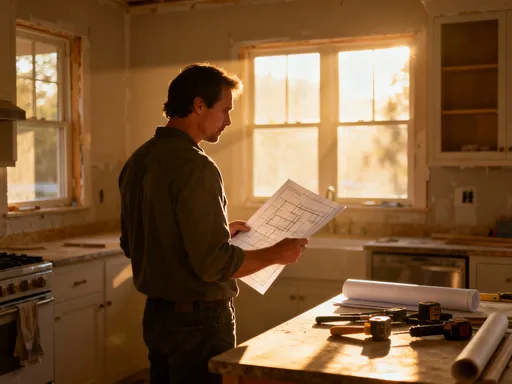
After careful analysis, I decided to rent the property instead of selling. This wasn’t a passive decision—it required active management and ongoing evaluation. The first step was preparing the home for tenants. I invested in essential repairs, updated the kitchen and bathroom, and improved curb appeal. These upgrades weren’t about luxury; they were about competitiveness. A well-maintained home attracts better tenants, reduces vacancy time, and justifies higher rent. I worked with a local contractor to prioritize cost-effective improvements with strong returns, like energy-efficient windows and modern appliances.
Next came tenant screening. I learned that a reliable tenant is worth more than a slightly higher rent. I used a standardized application process, checked credit history, verified income, and contacted previous landlords. I also followed fair housing laws to avoid legal risk. Once a tenant was in place, I set up a system for rent collection, maintenance requests, and lease renewals. While I managed it myself at first, I eventually hired a property management company when travel and time constraints made oversight difficult. Their fee—typically 8–10% of monthly rent—was justified by the peace of mind and professional handling of issues.
Rental income covered the mortgage, taxes, insurance, and maintenance, with a small surplus each month. Over time, as rents increased and the mortgage balance decreased, the cash flow improved. More importantly, the property continued to appreciate. I reviewed performance annually, adjusting rent based on market conditions and reinvesting profits into improvements or other investments. Renting transformed the home from a financial burden into a productive asset.
But I remained vigilant. Markets change. A neighborhood that’s desirable today might decline due to economic shifts or policy changes. I monitored local indicators—crime rates, school performance, new developments—and stayed ready to adapt. If rental demand dropped or maintenance costs rose unexpectedly, selling would remain an option. Holding was not a forever decision; it was a strategic choice based on current conditions. The key was staying informed and flexible, not emotionally attached.
Timing the Sale: Reading Market Signals Without Guessing
There’s a difference between timing the market and responding to it wisely. I didn’t try to predict the perfect moment to sell—I focused on recognizing clear signals. Rising mortgage rates, for example, tend to cool buyer demand. When rates climbed above 7%, I noticed longer days on market and more price reductions in my area. Conversely, when inventory was low and multiple offers were common, it signaled a seller’s market. I tracked these trends through local real estate reports and MLS data.
I also set personal benchmarks. If maintenance costs exceeded 25% of rental income, or if the property required a major capital investment like a new roof, I would reconsider selling. Similarly, if local rents plateaued while property taxes rose, the cash flow equation could turn negative. These weren’t emotional triggers—they were financial thresholds that guided decisions. I also considered broader economic factors, such as job growth in the region and population trends. A city losing residents is unlikely to see home values rise sustainably.
When the market showed signs of peaking in late 2023, I began preparing to sell. I ordered a pre-listing inspection, updated the landscaping, and priced the home competitively based on recent comparable sales. I avoided overpricing, which can lead to long listing periods and lower final sale prices. Within three weeks, I had multiple offers and sold near asking price. The timing wasn’t perfect, but it was prudent. I didn’t chase the absolute peak—I captured strong value without risking a downturn.
The lesson was clear: patience and preparation beat speculation. By staying engaged with the market and setting objective criteria, I avoided the trap of waiting for “just a little more.” Real estate is cyclical; what goes up eventually corrects. The goal isn’t to catch every dollar of appreciation, but to secure a solid return with managed risk.
Protecting Wealth Beyond the Property – A Broader View
Selling the inherited home generated a significant sum, but my work wasn’t done. The real challenge was integrating that capital into a broader financial plan. I resisted the urge to splurge or make impulsive investments. Instead, I worked with a financial advisor to create a diversified strategy. A portion went into low-cost index funds for long-term growth. Another part funded a college savings plan for my children. I also strengthened my emergency fund and paid down high-interest debt. This approach balanced growth, security, and responsibility.
I also reviewed my estate plan. The experience taught me that clear documentation and communication are essential. I updated my will, established a living trust, and discussed my wishes with family members. I didn’t want my heirs to face the same confusion I did. I also considered life insurance to cover potential estate taxes and provide liquidity for my beneficiaries. These steps weren’t about pessimism—they were about preparation and care.
Most importantly, I shifted my mindset from asset management to wealth stewardship. The inherited property was a gift, but its true value lay in how I used it. It wasn’t about holding on to a house—it was about building a legacy of financial wisdom. I began teaching my children about budgeting, investing, and responsible ownership. I shared the lessons I’d learned, turning a personal journey into a family conversation about money and values.
In the end, inheriting property wasn’t just a financial event—it was a catalyst for growth. It forced me to learn, plan, and act with purpose. The house is gone, but the impact remains. I now approach money with more confidence, clarity, and long-term vision. And that, more than any asset, is the real inheritance.
Conclusion
Inheriting property isn’t just a windfall—it’s a financial crossroads. Market trends, personal emotions, and hidden costs all shape the journey. By staying informed, seeking advice, and thinking long-term, I turned a complex situation into a step toward real financial strength. It wasn’t about quick wins, but lasting decisions. Whether selling, renting, or holding, the key is intentionality. Knowledge is power, and preparation is protection. The legacy I received wasn’t just a home—it was the opportunity to build something even more valuable: lasting financial peace of mind.