How I Built Real Financial Freedom—My Investment Strategy That Actually Works
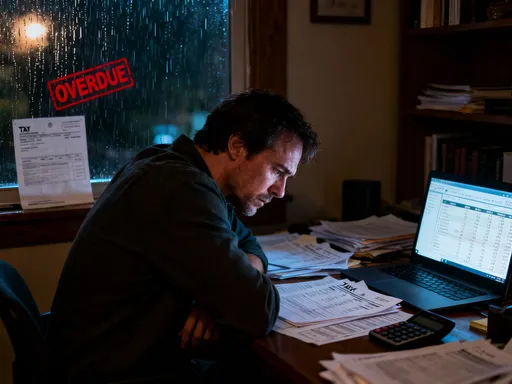
What if financial freedom wasn’t just a dream? I started with zero knowledge, fell into every trap, and lost more than I’d like to admit. But over time, I discovered a simple, practical investment strategy that changed everything. It’s not about get-rich-quick schemes—it’s about smart, consistent moves. This is the real talk I wish I had when I started, straight from my journey to lasting financial control. The truth is, building wealth doesn’t require genius-level insight or a six-figure salary. It demands discipline, clarity, and a willingness to learn from mistakes. This is how I stopped chasing shortcuts and started creating lasting financial stability—one decision at a time.
The Myth of Quick Wealth and What Truly Works
For years, I believed that financial success came from lucky breaks or insider knowledge. I watched financial news shows where traders made bold moves and celebrated quick wins, and I assumed that was the only way to grow money. I even tried it—putting a chunk of savings into a stock that everyone was talking about, only to see it lose nearly half its value in weeks. That experience wasn’t just painful financially; it shook my confidence. But in hindsight, that loss was one of the most valuable lessons I’ve ever learned: real wealth isn’t built through speculation, it’s built through consistency and time.
The idea of getting rich quickly is deeply embedded in modern culture. Advertisements promise overnight returns, influencers promote “secret” investment apps, and social media feeds are flooded with stories of people turning small amounts into fortunes. But behind those headlines, the reality is far less glamorous. Most people who chase quick gains end up losing money, not because they’re foolish, but because they’re reacting to emotion instead of strategy. The market rewards patience, not impulsivity. Compounding, one of the most powerful forces in finance, only works when you stay invested over long periods. A dollar invested wisely today can grow into ten dollars over two decades—not because of a single bold move, but because of steady growth, reinvestment, and time.
What truly works is a strategy grounded in reality: setting clear goals, understanding your risk tolerance, and building a plan that can survive market ups and downs. I learned to shift my mindset from “How much can I make this year?” to “How can I protect and grow my money over ten or twenty years?” That change in perspective made all the difference. Instead of reacting to daily market swings, I focused on what I could control—my savings rate, my investment choices, and my long-term discipline. The result? My portfolio didn’t skyrocket overnight, but it grew steadily, reliably, and without constant stress. That’s the kind of growth that leads to real financial freedom.
Starting Small: How to Begin with What You Have
One of the biggest obstacles to starting is the belief that you need a lot of money to begin investing. I used to think that too. I told myself I’d start “when I had enough” or “after I saved more.” But the truth is, waiting for the perfect moment means you may never begin. I finally took action when I realized that even small amounts, when invested consistently, can grow into something significant. I started with just $25 a week—money I redirected from unused subscriptions and small daily expenses. It didn’t feel like much at the time, but that small habit became the foundation of my financial journey.
The key wasn’t the amount—it was the consistency. By setting up automatic transfers to a low-cost brokerage account, I removed the temptation to skip contributions. I chose simple, diversified index funds that required no deep market knowledge, which made the process manageable and less intimidating. Over time, those weekly contributions grew, not just from my deposits, but from the returns they generated. What surprised me most was how quickly the total balance began to rise, even with modest inputs. The math is straightforward: investing $100 a month at a 7% annual return turns into over $23,000 in 15 years. That’s not magic—it’s math, and it’s accessible to anyone who starts early and stays consistent.
For those on tight budgets, the idea of saving and investing can feel impossible. But small adjustments can create space. Cooking at home more often, reducing impulse purchases, or picking up a side gig for a few hours a week can generate extra cash. The goal isn’t to deprive yourself, but to redirect a portion of your income toward long-term security. I began by tracking my spending for a month and found nearly $150 in unnecessary expenses—money I could have been investing. Once I made investing a non-negotiable part of my budget, like rent or groceries, it became a habit. And habits, especially financial ones, are what build lasting wealth.
Diversification: Why Putting All Eggs in One Basket Felt Safe—Until It Wasn’t
There was a time when I thought I had found the perfect investment. A friend recommended a small tech company that was “on the verge of a breakthrough.” The story was exciting, the potential returns were huge, and I let optimism override caution. I moved a large portion of my savings into that single stock, convinced I was making a smart, bold move. Within months, the company missed its earnings targets, the stock plunged, and I lost over 60% of my investment. That experience was a painful but necessary wake-up call: no matter how promising an opportunity seems, putting all your money into one place is a recipe for disaster.
Diversification isn’t just a financial buzzword—it’s a fundamental principle of risk management. At its core, it means spreading your investments across different asset classes, industries, and geographic regions so that a downturn in one area doesn’t wipe out your entire portfolio. When I rebuilt my strategy, I made diversification a priority. I allocated portions of my portfolio to index funds, bonds, real estate investment trusts (REITs), and international markets. This didn’t eliminate risk—no strategy can—but it reduced the impact of any single failure. Over time, I noticed that while some investments dipped, others held steady or even rose, balancing out the overall performance.
What many people misunderstand is that diversification isn’t about complexity. You don’t need to own dozens of individual stocks or constantly shuffle your holdings. Simple, low-cost index funds often provide instant diversification by tracking broad market segments like the S&P 500. I now keep the majority of my portfolio in a mix of total stock market and total bond market funds, which give me exposure to thousands of companies with minimal effort. As my life circumstances changed—marriage, homeownership, parenthood—I adjusted my allocations to reflect my evolving risk tolerance and goals. The goal isn’t perfection; it’s resilience. A well-diversified portfolio won’t make you the most money in a bull market, but it will help you survive the downturns—and that’s where long-term success is won.
Risk Control: Protecting Your Gains Without Paralyzing Your Moves
After my big loss, I became afraid to invest at all. I kept my money in a savings account, telling myself I was being cautious. But over time, I realized that avoiding risk entirely was its own kind of risk—specifically, the risk of inflation eroding my savings. I needed a better approach: one that acknowledged risk as an unavoidable part of investing but gave me tools to manage it wisely. That’s when I shifted from fear-based decisions to rule-based decisions. Instead of asking, “What if I lose everything?” I started asking, “What rules can I follow to limit my losses and stay on track?”
One of the most effective strategies I adopted was setting clear investment boundaries. I decided never to invest more than 10% of my portfolio in any single stock or high-risk asset. This rule protected me from overexposure and forced me to think critically before making concentrated bets. I also embraced the concept of dollar-cost averaging—investing a fixed amount at regular intervals, regardless of market conditions. This approach smoothed out the impact of volatility and prevented me from trying to time the market, which studies show even professionals struggle to do successfully.
Another key part of risk control is understanding your emotional triggers. I used to panic-sell when the market dropped, locking in losses out of fear. Now, I have a written investment plan that outlines my goals, time horizon, and risk tolerance. When emotions run high, I refer back to that plan instead of reacting impulsively. I also built in automatic safeguards, like stop-loss orders on individual positions, which limit potential downside without requiring constant monitoring. These tools don’t eliminate risk, but they create structure—a financial safety net that allows me to stay invested through market cycles. Risk control isn’t about playing it safe; it’s about playing smart, with clear rules that protect your progress without freezing your growth.
Passive Income: Turning Investments into a Money Machine
Early in my journey, I thought investing was only about buying low and selling high. But over time, I discovered a more powerful concept: passive income. Instead of relying solely on capital gains, I began focusing on assets that generate regular returns—money that comes in whether I’m working or not. This shift changed everything. I started building a portfolio designed not just to grow in value, but to produce income. Dividend-paying stocks, index funds with distributions, and real estate investments became the foundation of my strategy. These assets send me payments quarterly or monthly, which I automatically reinvest to accelerate growth.
The beauty of passive income is that it creates a feedback loop. The more income my portfolio generates, the more I can reinvest, which increases future returns. For example, a $50,000 portfolio earning a 3% dividend yield produces $1,500 a year. If I reinvest that income, the portfolio grows, and next year’s dividend is slightly higher. Over time, this compounding effect can turn modest investments into substantial income streams. I’ve seen this firsthand: my first year of dividend income was under $200. Today, it exceeds $4,000 annually—and it’s still growing.
What makes passive income so powerful is that it reduces reliance on active work. I’m not trading time for money; I’m letting my money work for me. This doesn’t mean I stopped earning income from my job—far from it. But knowing that my investments are generating returns in the background gives me a sense of security and freedom. It means I can handle unexpected expenses, take career risks, or even consider early retirement without fear. Building passive income takes time, but the payoff is worth it. It’s not about getting rich overnight; it’s about creating a sustainable financial engine that supports your life, not the other way around.
Common Traps and How I Learned to Spot Them
Looking back, I’ve fallen for nearly every financial trap out there. I chased hot stocks, tried to time the market, and once even considered investing in a “guaranteed return” scheme that smelled suspicious but sounded too good to pass up. Each mistake cost me money, but more importantly, it cost me time and confidence. What I’ve learned is that financial traps often share common traits: they appeal to emotion, promise unrealistic returns, and downplay risk. The key to avoiding them isn’t having perfect knowledge—it’s having a clear framework for evaluating opportunities.
One of the most common traps is market timing—the belief that you can predict when to buy low and sell high. I used to think I could outsmart the market by waiting for a dip or jumping on a rally. But the reality is, even professional investors struggle with this. Instead of trying to time the market, I now focus on time in the market. By staying invested and using dollar-cost averaging, I avoid the stress of guessing and benefit from long-term growth. Another trap is chasing trends. Whether it’s cryptocurrency, meme stocks, or the latest startup IPO, hype can cloud judgment. I’ve learned to ask simple questions before investing: Does this align with my goals? Do I understand how it works? Is the risk reasonable? If I can’t answer yes to all three, I walk away.
Overconfidence is another silent trap. After a few successful investments, it’s easy to believe you’ve “figured it out.” I once doubled down on a winning stock, convinced it would keep rising. When it reversed, I held on too long, hoping it would recover. Now, I stick to my allocation rules and rebalance regularly, regardless of performance. I also make a habit of reviewing my decisions periodically, not just to track progress, but to catch emotional biases before they lead to mistakes. The best defense against traps isn’t perfect foresight—it’s discipline, skepticism, and a commitment to staying within your strategy.
Building a Sustainable Strategy: The Long Game Mindset
Financial freedom isn’t a destination; it’s a way of living. It’s not about hitting a specific number in your bank account and then stopping. It’s about creating a system that works for you—consistently, reliably, and without constant stress. Over the years, I’ve refined my approach by combining the lessons I’ve learned: starting small, diversifying wisely, managing risk, and focusing on passive income. But the most important element isn’t any single tactic—it’s the mindset. I’ve shifted from thinking in terms of quick wins to thinking in terms of lifelong habits.
A sustainable strategy means being adaptable. Life changes—careers shift, families grow, priorities evolve—and your financial plan should evolve with them. I review my portfolio twice a year, not to chase performance, but to ensure it still aligns with my goals and risk tolerance. I rebalance when necessary, adjust contributions as my income changes, and stay informed without becoming obsessed with daily market noise. This balance of discipline and flexibility keeps me on track without burning me out.
What I’ve come to value most is peace of mind. Knowing that my money is working for me, that I have a plan for the long term, and that I’m prepared for both opportunities and setbacks—that’s what financial freedom feels like. It’s not about luxury or extravagance; it’s about choice, security, and the ability to live life on your own terms. The cost of waiting is high—every year you delay starting, you lose the power of compounding and the time to recover from mistakes. But the good news is, it’s never too late to begin. Whether you start with $10 or $1,000, the principles are the same: be consistent, stay informed, manage risk, and focus on the long game. That’s how real financial freedom is built—one smart decision at a time.