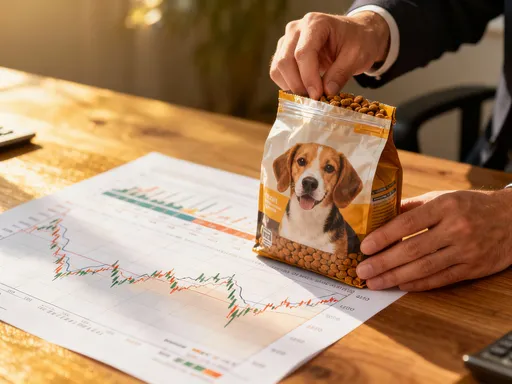
How I Balanced My Portfolio with Pet Supply Investments — A Real Story
What if your love for pets could teach you about smart investing? A few years ago, I never thought pet supplies would become part of my asset allocation strategy. But after market swings left me stressed, I started exploring stable, everyday-demand sectors. That’s when I discovered the quiet power of pet-related investments — not just stocks, but supply chains, retail, and innovation. This is how I reshaped my portfolio with a sector that keeps growing, no matter the economy.
The Wake-Up Call: Why I Rethought My Investment Strategy
For over a decade, my investment approach was built on chasing momentum. I poured money into high-flying tech stocks, lured by stories of rapid growth and overnight success. The early wins were intoxicating — a 40% jump here, a doubling there. But then came the downturns. Two sharp corrections in three years wiped out nearly a third of my portfolio’s value in a matter of months. The volatility wasn’t just damaging to my returns; it was emotionally exhausting. I found myself checking stock prices multiple times a day, second-guessing decisions, and losing sleep over market headlines. That’s when I realized something fundamental was missing: balance. My portfolio was heavily skewed toward sectors that thrived only in optimistic economic climates, leaving me exposed when sentiment shifted.
So I began asking a simple but powerful question: what industries remain resilient even during tough times? The answer came not from a financial report, but from my living room — where my golden retriever, Max, waited patiently for his evening meal. It struck me that no matter how the markets fluctuated, Max still needed food, treats, flea prevention, and regular vet visits. These weren’t discretionary expenses I could cut during a budget crunch. For millions of pet owners like me, caring for a pet is a deep emotional commitment, not a luxury to be abandoned when times get tough. This personal insight led me to research the broader pet economy. What I found was surprising: the global pet care market was valued at over $300 billion and had grown steadily for more than a decade, even through recessions. Annual spending on pets in the United States alone exceeded $100 billion, with consistent year-over-year increases. Unlike cyclical industries, pet ownership and spending showed remarkable inelasticity. People prioritized their pets’ well-being regardless of economic conditions. This wasn’t just anecdotal — it was backed by data from consumer behavior studies and industry reports.
That’s when I began to see pet-related businesses not as niche players, but as potential pillars of a more balanced investment strategy. The sector wasn’t immune to market forces, but its underlying demand was far more stable than tech or luxury goods. I started to view pet care as a defensive segment — one that could act as a buffer during periods of market stress. My goal wasn’t to abandon growth investing entirely, but to temper it with assets that offered predictability. The pet industry, with its recurring revenue models and emotional loyalty, fit the bill. I realized that smart investing isn’t always about finding the next big thing — sometimes, it’s about recognizing enduring value in the everyday. This shift in mindset marked the beginning of a more thoughtful, grounded approach to wealth building.
Pet Supplies as a Defensive Asset Class: What Makes It Different
One of the most important lessons I learned during my investment journey was the value of defensive assets — investments that hold up well during economic downturns. Traditionally, sectors like consumer staples, utilities, and healthcare are considered defensive because people continue to buy groceries, pay electricity bills, and seek medical care even in hard times. But I began to notice that pet supplies shared many of the same characteristics, with some unique advantages. While a family might delay buying a new smartphone or dining out less frequently, they are far less likely to stop feeding their dog or skip a vet appointment for their cat. This behavioral consistency creates a reliable revenue stream for companies in the pet space.
What sets pet-related businesses apart is the depth of emotional connection between owners and their animals. Pets are increasingly viewed as family members, not just animals. This shift in perception has transformed pet spending from basic care to premium investments in health, comfort, and longevity. Owners are willing to pay more for organic food, advanced treatments, and high-quality accessories. As a result, many pet brands enjoy strong pricing power and high customer retention. A study by the American Pet Products Association found that over 85% of pet owners consider their pets part of the family, and a significant portion are willing to go into debt to cover unexpected veterinary costs. This loyalty translates into stable earnings for companies, making their stocks less volatile than those in more discretionary sectors.
Another key factor is the recurring nature of pet supply purchases. Unlike a one-time electronics purchase, pet owners buy food, treats, medications, and grooming products on a regular basis. This creates predictable, subscription-like revenue for manufacturers and retailers. Companies that offer auto-ship programs or loyalty memberships further lock in customer engagement, reducing churn. I also noticed that many pet care firms have diversified into higher-margin areas like prescription diets and specialty health products, which are often recommended by veterinarians and less price-sensitive. These traits — inelastic demand, emotional loyalty, recurring purchases, and pricing power — make pet supplies a compelling defensive asset class. They don’t offer the explosive growth of tech startups, but they provide stability and resilience, which are essential for long-term portfolio health.
Diversifying Within the Pet Sector: Beyond Just Food and Toys
At first, my exposure to the pet sector was limited to well-known pet food brands and retail chains. I assumed that was the core of the industry. But as I dug deeper, I realized how broad and dynamic the ecosystem really is. The pet economy extends far beyond kibble and chew toys — it includes pharmaceuticals, veterinary services, insurance, technology, and even financial products tailored to pet owners. This diversity opened up new opportunities for strategic allocation and risk mitigation. I learned that by diversifying within the sector itself, I could reduce concentration risk while still benefiting from the overall growth of pet-related spending.
One area I began exploring was prescription pet medications. Companies that develop treatments for conditions like arthritis, diabetes, and anxiety in animals operate in a space similar to human pharmaceuticals, but with less public scrutiny and strong demand from veterinarians and owners. These products often have high profit margins and long development lifecycles, making them attractive for long-term investors. However, they also carry regulatory risks and require significant R&D investment, so I made sure to balance exposure with more stable players. Another promising segment was telehealth for pets. Just as telemedicine transformed human healthcare, virtual vet consultations are gaining traction, especially in rural or underserved areas. Startups in this space are building platforms that connect pet owners with licensed veterinarians via video, offering convenience and cost savings. While still emerging, this niche showed strong growth potential.
I also looked at sustainability-driven innovations, such as biodegradable waste bags, eco-friendly litter, and plant-based pet foods. As environmental awareness grows, consumers are increasingly choosing brands that align with their values. Companies leading in sustainable packaging or ethical sourcing are building brand trust and long-term customer relationships. Then there’s the rise of pet tech — smart collars that monitor heart rate and activity, GPS trackers, automated feeders, and even AI-powered health diagnostics. These products appeal to tech-savvy owners and generate recurring revenue through app subscriptions and data services. I also considered the supply chain: packaging manufacturers, logistics firms, and ingredient suppliers that serve major pet brands. These behind-the-scenes players often fly under the radar but benefit from the sector’s expansion without the same level of consumer-facing volatility. By spreading my investments across these subcategories, I created a more resilient and balanced exposure to the pet economy.
Balancing Risk: How I Allocated Without Overexposing Myself
One of the biggest mistakes I made early in my pet investment journey was overconfidence. After seeing strong performance in a few pet-related stocks, I increased my allocation significantly, even shifting funds from more traditional holdings. I convinced myself that because the sector was stable, it was also immune to setbacks. That illusion shattered when one of my top holdings — a fast-growing pet tech company — reported disappointing earnings after a period of aggressive expansion. The stock dropped nearly 40% in a single quarter. While the long-term fundamentals remained sound, the short-term pain was real. That experience taught me a crucial lesson: no sector, no matter how resilient, should dominate a portfolio. Risk management isn’t just about picking the right stocks — it’s about how much you allocate to them.
I now follow a disciplined approach to asset allocation. I treat pet-related investments as one component of a broader strategy, similar to how I view healthcare or consumer staples. My rule of thumb is to cap exposure at no more than 10% of my total equity portfolio. This ensures that even if the sector underperforms, the overall impact on my wealth is manageable. Within that 10%, I further diversify across subsectors — food and treats, pharmaceuticals, veterinary services, and technology — so no single category carries too much weight. I also maintain a mix of large-cap, established companies and smaller, growth-oriented firms, balancing stability with upside potential.
To reduce timing risk, I use dollar-cost averaging when entering new positions. Instead of investing a lump sum, I spread purchases over several months, which helps smooth out price volatility. I also rebalance my portfolio annually, selling portions of outperforming assets and reinvesting in underweight areas to maintain my target allocation. This disciplined process removes emotion from decision-making and keeps me focused on long-term goals. I pay close attention to valuation metrics like price-to-earnings and price-to-sales ratios, avoiding companies that appear overhyped or overpriced. Liquidity is another priority — I ensure that a portion of my portfolio remains in cash or easily tradable assets so I’m not forced to sell during downturns. The goal isn’t to maximize returns in any one sector, but to build consistent, sustainable growth over time.
Spotting Quality: What I Look For in a Pet Investment
As the pet industry has grown, so has the number of companies claiming to serve pet owners. But not all of them are built to last. I’ve learned that distinguishing between genuine quality and short-lived trends is essential for long-term success. My investment checklist now includes several key criteria. First and foremost is strong, consistent cash flow. A company can report high revenue, but if it’s not generating real profits or burning through capital, it’s not sustainable. I look for businesses with healthy operating margins and low debt levels, which indicate financial discipline and resilience.
Brand loyalty is another critical factor. I favor companies with a proven track record of customer retention and positive reviews. Brands that are recommended by veterinarians or have partnerships with clinics tend to have higher trust and repeat purchase rates. I also pay attention to innovation — not just flashy gadgets, but meaningful advancements in pet health and wellness. For example, a company developing clinically tested supplements for joint health or anxiety is more likely to succeed than one selling gimmicky treats with unproven benefits. Ethical sourcing and transparency in ingredient labeling are increasingly important to consumers, so I prioritize firms that publish detailed sourcing information and avoid artificial additives.
Environmental, social, and governance (ESG) practices have also become part of my evaluation. Companies that invest in sustainable packaging, reduce carbon emissions, or support animal welfare initiatives often build stronger emotional connections with customers. I’ve noticed that these firms tend to outperform over time, as consumer preferences shift toward responsible brands. Another red flag I watch for is overreliance on marketing over substance. Some companies spend heavily on influencer campaigns but lack product differentiation or scientific backing. I also avoid those with frequent recalls or regulatory issues, as these signal operational weaknesses. Ultimately, I look for businesses that solve real problems for pets and their owners — not just chase trends. When I find a company that meets these criteria, I view it as a potential long-term holding, not a short-term trade.
The Bigger Picture: How This Fits Into My Overall Wealth Plan
Pet-related investments are just one piece of my financial strategy, not the centerpiece. I structure my portfolio to balance growth, income, and preservation of capital. Alongside my pet sector holdings, I maintain diversified positions in low-cost index funds, real estate investment trusts (REITs), and high-quality bonds. This multi-asset approach helps me manage risk across different economic environments. The pet segment plays a specific role: it provides moderate growth with lower volatility than tech or emerging markets, acting as a stabilizing force during uncertain times.
I also consider tax efficiency in my investment decisions. For example, I hold individual pet stocks in taxable accounts only when they qualify for long-term capital gains treatment, and I use tax-advantaged accounts like IRAs for less efficient assets. Estate planning is another consideration — I’ve worked with a financial advisor to ensure that my holdings can be transferred smoothly to my heirs, with clear documentation and beneficiary designations. My time horizon is long-term, so I focus on compounding returns rather than short-term gains. I assess my risk tolerance regularly, adjusting allocations as I approach retirement. The pet sector, with its steady demand and emotional underpinnings, fits well within this framework. It’s not about chasing the highest returns — it’s about building a portfolio that aligns with my values, supports my lifestyle, and provides peace of mind.
Lessons Learned and Where I’m Going Next
Looking back, the most valuable outcome of this journey hasn’t been financial gain — it’s been clarity. I’ve learned that smart investing isn’t about finding a single winning sector, but about constructing a portfolio that can weather change. The stability of pet-related investments has given me confidence during market turbulence, knowing that part of my wealth is tied to a sector grounded in real human needs and emotional bonds. I wish I had started this approach sooner, not because I missed out on returns, but because I endured unnecessary stress from overconcentration in volatile areas.
Going forward, I’m exploring adjacent opportunities, such as veterinary biotechnology and pet insurance innovation. These areas are still emerging, but they address growing needs in pet healthcare and financial protection for owners. However, I remain cautious — every investment must earn its place through rigorous analysis, not hype. I continue to educate myself, read industry reports, and consult with financial professionals to refine my strategy. This experience has reinforced a simple truth: wealth building is a marathon, not a sprint. It’s about making thoughtful, disciplined choices that add up over time. By anchoring part of my portfolio in the quiet, enduring strength of the pet economy, I’ve found a balance that works — for my finances, and for my peace of mind.